

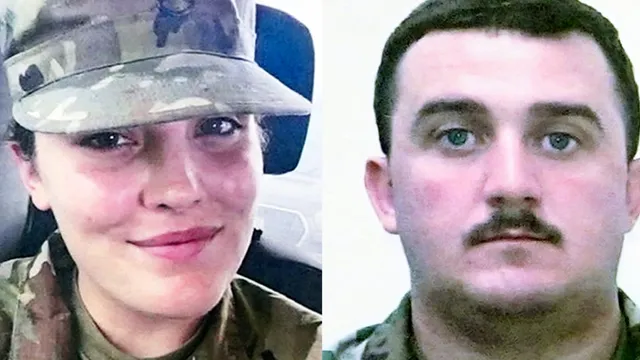
National Guard members attacked in targeted shooting in D.C
National Guard members attacked in targeted shooting in D.C
- Two National Guard members were shot during a patrol in Washington, D.C., with one member dying from injuries.
- The suspect, Rahmanullah Lakanwal, is a 29-year-old Afghan national who was granted asylum earlier this year.
- The incident has heightened discussions about national security and immigration policies.
Story
On November 26, 2025, two National Guard members were shot in Washington, D.C., during what has been described as a targeted attack. The incident occurred near the Farragut West Metro Station, roughly two blocks from the White House, at approximately 2:15 PM. The victims were identified as Sarah Beckstrom, a 20-year-old member of the West Virginia National Guard, and Andrew Wolfe, a 24-year-old also from the same unit. Tragically, Beckstrom succumbed to her injuries the following day and was pronounced dead, while Wolfe remains in critical condition in a local hospital. The shooting suspect, Rahmanullah Lakanwal, who is a 29-year-old Afghan national, allegedly opened fire on the guardsmen with a .357 revolver, ambushing them as they conducted a high-visibility patrol. Shortly after the shooting, Lakanwal was arrested and taken to a hospital with injuries after being met with return fire from the guardsmen. He is being charged with first-degree murder and additional firearms-related charges, with law enforcement suggesting that the attack is being investigated as an act of terrorism. U.S. Attorney Jeanine Pirro indicated that there may be more charges to follow following investigations. The suspect's background raises significant concerns. Lakanwal is believed to have arrived in the United States in 2021 during the controversial U.S. withdrawal from Afghanistan, applying for asylum in 2024, which was granted under the Trump administration in April 2025. He had previously worked with U.S. forces, including the CIA, raising questions about his motivations and whether he acted alone. D.C. law enforcement officials are exploring his past connections and any possible accomplices, both domestically and abroad. This incident has sparked national conversations about security, the immigration process, and the implications of unvetted individuals entering the United States during tumultuous transitions like the withdrawal from Afghanistan. President Donald Trump condemned the shooting and used it to underline his criticisms of the current immigration policies, labeling Lakanwal as a ‘monster’ and linking the event to broader issues of national security. Trump's remarks aimed to draw public attention to immigration reform and security measures in the wake of this brutal attack, emphasizing the gravity of such incidents in the context of American safety.
Context
The National Guard has a rich history of involvement in public safety within the United States, serving as a critical component of the nation's emergency response framework. Originating in the early colonial period, the concept of a militia developed into what we now know as the National Guard, formally established in 1903. Over the years, it has played a pivotal role during domestic emergencies, natural disasters, and civil disturbances, often stepping in when local law enforcement and other resources are overwhelmed. Throughout its evolution, the National Guard has adapted its mission to meet the changing needs of the communities it serves while balancing its dual role as both a state and federal military force. In the wake of World War II, the National Guard began to expand its involvement in public safety significantly. During major disasters, such as floods, hurricanes, and wildfires, Guard units have been mobilized to provide much-needed support to local authorities. For instance, during Hurricane Katrina in 2005, National Guard members played an essential role in search and rescue operations, logistical support, and maintaining order in the chaos that ensued. Their training and resources enable them to respond quickly and effectively, bridging gaps between civilian authorities and federal support agencies. This collaboration has been instrumental in improving public safety protocols and response capabilities. The National Guard's role in civil unrest and domestic security has also been a notable aspect of its history. The Guard has been deployed to assist in quelling riots, enforcing curfews, and protecting citizens during periods of heightened tension. Events like the Los Angeles riots in 1992 and more recent protests have illustrated the National Guard's vital function in restoring order, while balancing the need for community relations and public trust. The involvement of the National Guard in these contexts has sparked ongoing discussions on the appropriate limits of military involvement in civil situations and the importance of maintaining the guard's unique status as a citizen-soldier force. Looking ahead, the challenges posed by climate change, cyber threats, and increasing civil unrest will likely shape the future of National Guard involvement in public safety. As technology evolves, the Guard must adapt, integrating modern tools and tactics into its operations to enhance its effectiveness in disaster response and civil support roles. Continued training and collaboration with local and federal agencies will be crucial to providing comprehensive public safety solutions. The historical dedication of the National Guard to safeguarding communities underscores its importance as we move forward into an uncertain future.


