

Yoni Finlay recounts survival from synagogue attack amid police gunfire
Yoni Finlay recounts survival from synagogue attack amid police gunfire
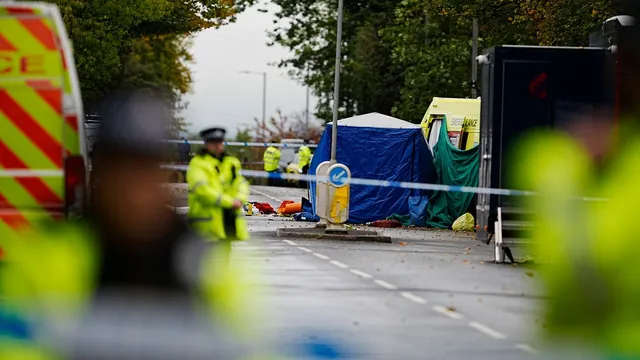
- On October 2, 2023, a terrorist attack occurred at the Heaton Park Hebrew Synagogue in Manchester, where worshippers were targeted.
- Yoni Finlay, who survived the attack, was injured by a police bullet as he attempted to thwart the attacker.
- Finlay expressed his belief that his survival was a miracle, strengthening his faith despite the trauma.
Story
On October 2, 2023, a terrorist attack occurred at the Heaton Park Hebrew Synagogue in Crumpsall, Manchester, England, where Jihad Al-Shamie, a 35-year-old attacker, drove his vehicle into the synagogue gates and subsequently began attacking worshippers with a knife while wearing a fake suicide belt. The attack resulted in multiple casualties, including the deaths of Melvin Cravitz and Adrian Daulby. Yoni Finlay, a synagogue member, was also caught in the violence when he was struck by a police bullet while attempting to barricade the doors against Al-Shamie. He described the experience as terrifying and spoke of feeling a stronger faith as a result of surviving such a horrific encounter. Armed police ultimately responded, fatally shooting Al-Shamie after he posed an immediate threat to them on multiple occasions despite being shot. The police described the incident as extremely dangerous, and they acted to prevent further harm to others present in the synagogue. Following the attack, investigations led to legal actions against individuals connected with it. On November 27, 2023, a 31-year-old man named Mohammad Bashir was arrested and charged with four terrorism offenses pertaining to aiding Al-Shamie's earlier reconnaissance of a UK defense facility. Although these charges were not directly related to the synagogue attack, they were linked through ongoing investigations conducted by Counter Terrorism Policing North West. The prosecution office stated that sufficient evidence was found to support the terrorism-related charges against Bashir, indicating a larger network or support system for terrorist actions in the region. Assistant Chief Constable Rob Potts highlighted the importance of vigilance and community support in the face of ongoing threats.
Context
Terrorism has had a profound impact on Jewish communities in the UK, creating an atmosphere of fear and insecurity. The history of antisemitism in the UK has been exacerbated by terrorist acts, which not only target individuals but also seek to perpetuate a narrative of hostility against Jewish people. The rise of extremist groups and ideologies has led to a surge in antisemitic incidents, including vandalism, physical assaults, and online hate speech. This hostile environment can be traced back to various geopolitical conflicts and the portrayal of Jewish communities in media, which often fuels discrimination and violence against them. As a result, many Jewish individuals feel vulnerable and marginalized, impacting their daily lives and community cohesion. In response to increasing threats, Jewish communities have taken significant steps to enhance their security. Synagogues, schools, and community centers are now equipped with advanced security measures, such as surveillance cameras and professional guards. Furthermore, community members have engaged in partnerships with local law enforcement to ensure a swift response to any incidents of hate or violence. Educational programs have also been implemented to raise awareness about antisemitism and promote tolerance among broader society. These measures, while necessary for ensuring safety, have unfortunately contributed to an atmosphere where Jewish identity is often perceived through the lens of security rather than cultural richness. To effectively combat the effects of terrorism and antisemitism, it is crucial for society to foster inclusivity and mutual understanding. Initiatives aimed at interfaith dialogue and community-building can help dismantle stereotypes and promote solidarity among diverse groups. Additionally, the media plays a pivotal role in shaping public perceptions; responsible reporting that avoids perpetuating negative stereotypes can contribute to a more nuanced understanding of Jewish communities. The responsibility lies not only with the Jewish community but also with the broader society to confront hate and extremism in all its forms. Finally, addressing the longstanding issues of antisemitism and the impact of terrorism on Jewish communities necessitates a comprehensive approach involving education, policy change, and community engagement. Policymakers must ensure that laws are in place to protect individuals from hate crimes and that resources are allocated for education about the history and contributions of Jewish people in the UK. By confronting prejudice and fostering a culture of respect and understanding, the UK can work towards a more secure future where all communities, including its Jewish population, can thrive without fear of violence or discrimination.


