

CBS airs Trump deportations report after internal controversy
CBS airs Trump deportations report after internal controversy
- The segment on Trump administration deportations originally scheduled for December was pulled due to allegations of political interference.
- After significant internal conflict, CBS aired the report on January 19, 2026, which included statements from government officials but no on-camera interviews.
- The situation highlighted ongoing tensions between the media and the Trump administration, raising questions about journalistic independence.
Story
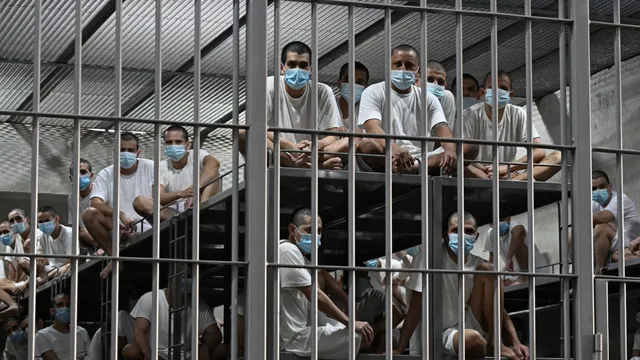
In the United States, a controversial segment regarding Trump administration deportations finally aired on January 19, 2026, on CBS’s '60 Minutes' after being pulled from the December 21, 2025 episode. The piece, which delved into the deportation of Venezuelan men to the CECOT prison in El Salvador, faced significant political pressure, leading to an internal conflict within CBS News about the nature of journalism and political influence. Initially scheduled to broadcast in December, the segment was abruptly removed just three hours before it was set to air, sparking accusations from correspondent Sharyn Alfonsi that the decision was politically motivated rather than editorially based. Bari Weiss, CBS News editor-in-chief, claimed the segment did not adequately reflect the administration's perspective or add new insights to previously covered material. Alfonsi insisted her reporting was robust and accused Weiss of prioritizing political considerations over journalistic integrity. Despite the challenges, the piece aired and included statements from the White House and the Department of Homeland Security, although it notably lacked on-camera interviews with officials from the Trump administration. The report coincided with a backlash against the treatment of deportees in CECOT, a facility characterized by its harsh conditions. Organizations such as Human Rights Watch and Amnesty International raised concerns regarding the treatment of inmates, alleging they frequently face communication restrictions and mistreatment. The release of the segment led to renewed scrutiny of the Trump administration's immigration policies, highlighting the complex relationship between the White House and media outlets. The airing generated divisive opinions, underlining the ongoing tensions between governmental transparency and media freedom. As public discourse continues to evolve, the implications of this report reflect broader societal concerns regarding accountability in governance and journalistic practices in the era of heightened political sensitivity. This situation reinforces the crucial role media plays in scrutinizing policies that affect vulnerable populations, illustrating the delicate balance of power between the state and the press.


