

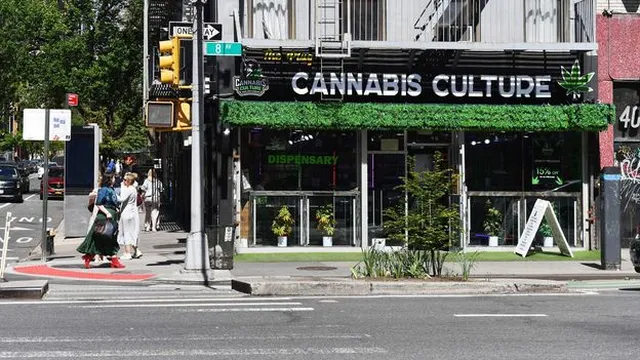
New York's cannabis businesses struggle under complicated regulations
New York's cannabis businesses struggle under complicated regulations
- Five years post-legalization, cannabis is widely available in New York.
- Many legitimate cannabis businesses report struggles due to complicated legal regulations.
- The current challenges highlight the urgent need for reform for the industry's growth.
Story
In New York State, the legalization of recreational cannabis occurred five years ago. Following this legalization, cannabis has become widely accessible, yet business owners report that many legitimate operators are facing significant challenges. The New York Times published an editorial highlighting that illegal cannabis operators have contributed to negative public perceptions, which have further hindered lawful businesses' success. The legal status of the cannabis industry remains intricate and troubling, with many entrepreneurs experiencing difficulties not only in compliance but also in accessing institutional funding due to federal laws. The sector’s complexity has led to a lack of retail sales outlets, causing some growers' crops to go to waste. The landscape of New York's cannabis market shows more than 2,000 active cannabis business licenses, but nearly 5,000 applications are still pending. Individuals involved in the cannabis business, such as Jayson Tantalo, a vice president for the New York Cannabis Retail Association, emphasize the bottleneck effect of severe restrictions in the licensing process. Similarly, Vlad Bautista, co-founder of Happy Munkey, has pointed out that the compliance requirements are disproportionately stringent compared to those for businesses selling alcohol or cigarettes. There remains optimism in the industry about future growth and progress, yet frustrations around regulatory inefficiency and strict advertising laws continue. The ongoing challenges highlight the confusion not only for entrepreneurs but for consumers and the general public. With states having varying regulations surrounding cannabis use and production, this complexity generates a chaotic scenario for everyone involved. In an era where cannabis use is becoming more normalized, the existing legal challenges and restrictions hinder growth and make it difficult for legitimate businesses to thrive. Industry advocates like Chris Lindsay of the American Trade Association for Cannabis and Hemp point out that misleading labeling around products can compound the issues faced by the industry. As regulations continue to evolve, the need for widespread reform seems evident. Moving forward, industry leaders believe that more efforts are required to align the cannabis market's legal framework with the realities of consumers and businesses. While individual states appeal for legislative change, the topic of cannabis legalization persists at a federal level, representing a barrier for further institutional investments. Leading figures within the community remain hopeful that clearer laws will emerge, allowing the sector to establish its footing and capitalize on its potential while addressing the unfortunate consequences of rogue operators within the industry.


