

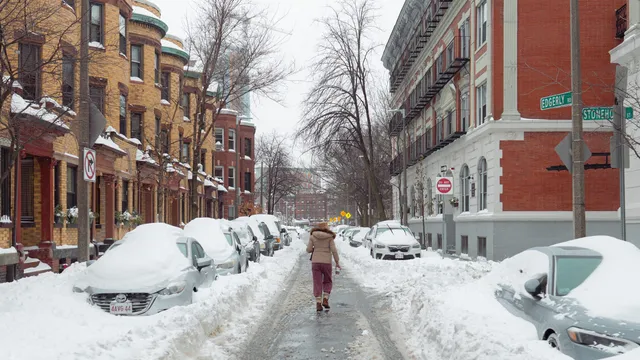
Boston braces for snowstorm as extreme cold grips Northeast
Boston braces for snowstorm as extreme cold grips Northeast
- Light to moderate snow showers and strong winds are forecasted across the Northeast this weekend.
- Winter Storm Watches have been issued for several states, indicating the potential for dangerous travel conditions.
- The Northeast is bracing for extreme cold, with wind chills expected to approach dangerous levels.
Story
In the United States, particularly in the Northeast, weather conditions are deteriorating with a fast-moving clipper system set to intensify winter conditions over the weekend. Heavy snow is forecasted for areas like Boston and Eastern Massachusetts, while significant cold temperatures sweep across the region as arctic air moves in. Snow began falling across Pennsylvania and the Mid-Atlantic on Friday, with accumulations affecting the densely populated areas including New York City, Philadelphia, and other key locations in New England. Areas along the Interstate 95 corridor are expected to experience various levels of snowfall, with specific warnings issued in anticipation of up to eight inches in some elevated terrains in West Virginia. As weather conditions intensify on Saturday, continued precipitation is expected throughout the day, leading to potential disruptions in travel and outdoor activities. The National Weather Service has issued Winter Storm Watches across multiple states, indicating serious weather threats including blowing snow and strong gusty winds, with gusts reaching up to 40 miles per hour in some regions. This severe weather not only poses risks of hazardous travel but also threatens public safety with dangerously low wind chills, which may drop to 25 degrees below zero across affected areas. The weather conditions come after a historic winter storm had already impacted the Northeast earlier this year, with regions reporting snow accumulations well above average. The current atmospheric setup, driven by a polar vortex shift and the instability from the incoming clipper system, is creating a catastrophic winter situation. With significant cold weather alerts in place and an expected progression of heavy snow, authorities are urging residents to prepare for harsh conditions and to avoid unnecessary travel during the peak of the storm. In summary, as the Northeast braces for one of the season's coldest weekends, immediate preparations are crucial as the impacts of climate shifts and winter weather patterns are felt profoundly in cities like Boston and beyond. By Saturday evening, as snowfall tapers off across most areas, wind conditions will remain a concern, contributing to dangerously low temperatures and health risks including hypothermia and frostbite if individuals are exposed to the elements for prolonged periods.
Context
The impact of winter storms in the Northeast US is profound and multi-faceted, affecting infrastructure, economy, public safety, and the environment. Each year, the region experiences a plethora of winter storms, which include snowstorms, ice storms, and blizzards. These events can paralyze transportation networks, disrupt power supply, and hinder essential services, causing significant delays and impairing mobility. The severity of these storms can vary widely, but their recurrent presence necessitates ongoing evaluation and adaptation of emergency preparedness strategies within local and state governments. This report synthesizes the key implications of winter storms in the Northeast, focusing on the interplay between climate patterns and societal resilience. Economically, the effects of winter storms are considerable. Local businesses often suffer from reduced foot traffic, and the cost of snow removal and emergency services can strain municipal budgets. Additionally, disruptions to supply chains can have ripple effects beyond the immediate geographical area. The impact on agriculture is noteworthy as well, where heavy snowfall and ice can damage crops and delay planting seasons, threatening livelihoods and food supply. Adapting to these economic challenges requires innovative approaches, including investment in resilient infrastructure and enhanced forecasting technologies that enable better planning and response. Public safety is a paramount concern during winter storms, as hazardous road conditions increase the risk of accidents and injuries. The risk of hypothermia and frostbite also escalates, particularly among vulnerable populations such as the elderly and those without adequate shelter. Emergency services are often stretched thin, and response times can be delayed due to poor weather conditions. Therefore, public awareness campaigns and community preparedness programs are essential to equip residents with the knowledge and resources needed to navigate these storms safely. Furthermore, collaboration between federal, state, and local agencies enhances the effectiveness of response efforts and support systems for affected populations. Finally, the environmental implications of winter storms in the Northeast must not be overlooked. Increased frequency and intensity of such storms may be linked to broader climate change patterns, raising concerns about long-term ecosystem stability and resilience. The melting of snow and ice contributes to altered water cycles and habitat disruptions that can affect wildlife. As climate patterns evolve, understanding the connection between winter storms and climate change will increasingly inform research and policy decisions aimed at mitigating these impacts. Ensuring that communities are prepared for the multifaceted consequences of winter storms will be essential as the Northeast continues to grapple with the challenges posed by changing weather patterns.


