

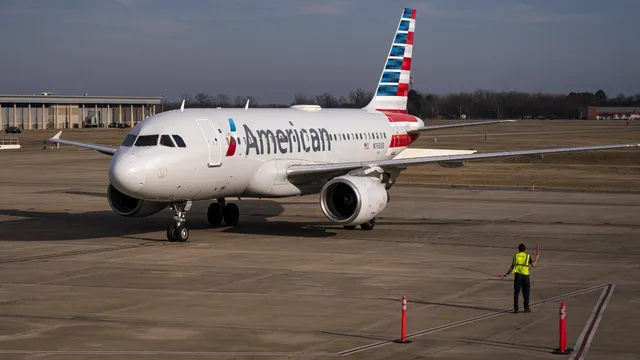
Colombian authorities probe bullet holes on American Airlines jet
Colombian authorities probe bullet holes on American Airlines jet
- Bullet holes were found on an American Airlines plane after a routine inspection following its flight from Medellín, Colombia to Miami.
- The preliminary investigation suggests that the plane may have been struck while landing in Medellín and authorities are now focusing on a criminal group.
- American Airlines is working with relevant authorities to investigate the incident, ensuring passenger safety remains a top priority.
Story
Colombian authorities are investigating an alarming incident involving an American Airlines plane, where bullet holes were discovered on the aircraft after it returned from a flight from Medellín to Miami. The airline has confirmed that the Boeing 737 MAX 8 was subjected to a routine inspection when maintenance crews identified punctures on the right wing assembly. Preliminary investigations suggest that the aircraft may have been struck by bullets during its landing in Medellín. Fortunately, no injuries or incidents occurred during the flight. The Boeing jet had originally departed Miami as Flight AA923, where it spent the night in Colombia before returning to Miami as Flight AA924. After the inspection revealed the damage, the plane was promptly removed from service for further examination and necessary repairs. It's crucial to note that while the punctures were serious enough to warrant a full investigation and immediate grounding of the aircraft, American Airlines reported that the plane was able to fly without issues during its journey. Concerns surrounding the aircraft's safety have emerged, particularly due to Medellín's past reputation for high levels of violence. The city, which has seen a significant transformation into a popular tourist destination, still faces underlying criminal activity, prompting authorities to focus on identifying any potential criminal groups responsible for the damage. In the wake of this incident, flight technicians conducted emergency repairs to stabilize the aircraft before it was sent to the American Airlines maintenance hub at Dallas Fort Worth International Airport for a thorough assessment and further repairs. The investigation continues as officials aim to determine the exact cause of the bullet holes and ensure passenger safety in the future.
Context
The safety measures for airlines in Colombia are crucial for ensuring the security of passengers and the efficiency of air travel within the country. The Colombian aviation sector, overseen by the Civil Aviation Authority (Aerocivil), has implemented rigorous safety regulations that comply with international standards set by the International Civil Aviation Organization (ICAO). These measures encompass a wide range of areas including aircraft maintenance, operational safety, passenger screening, and emergency preparedness. Continuous investment in the training of personnel is vital to maintaining these safety standards, ensuring that all aviation staff are equipped with the knowledge and skills necessary to uphold these practices. Maintaining aircraft integrity is a primary focus for Colombian airlines, with strict maintenance schedules enforced by Aerocivil. Airlines must adhere to regular inspection protocols and adhere to guidelines for servicing aircraft based on their operational demands. These maintenance checks not only focus on technical aspects but also include safety equipment and systems checks, ensuring that functionality is preserved at all times. In addition, sophisticated tracking systems are in place to monitor the condition of aircraft components, allowing for both preventive and corrective actions to be taken before issues arise. To enhance passenger safety, Colombian airports have implemented advanced security screening procedures that align with global practices. This includes the use of cutting-edge technology for baggage and passenger scanning, as well as thorough checks on carry-on items. Security personnel are trained to recognize and respond to potential threats effectively, ensuring that the processes in place can deter malicious actions. Moreover, airlines collaborate with law enforcement and intelligence agencies to share relevant information and improve situational awareness. Emergency preparedness is another critical aspect of aviation safety in Colombia. Airlines conduct regular drills and simulations to test their response to various emergency situations, ensuring their teams can effectively manage incidents and minimize risks to passengers. In addition, clear communication strategies have been established to provide timely updates to passengers and their families in case of an emergency. Overall, the combination of stringent regulations, thorough training, and proactive measures establishes a solid foundation for air travel safety in Colombia, fostering confidence among travelers and continually enhancing the safety framework of the aviation industry.


