
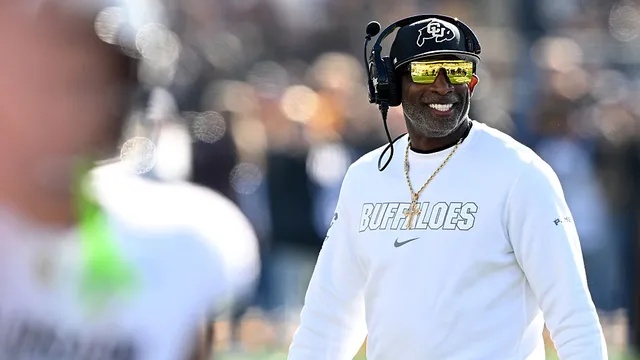
Deion Sanders fines Colorado players for missed meetings and practices
- Deion Sanders has introduced a fine system for Colorado football players for missed meetings and practices.
- The fines range from $400 for being late to $2,500 for not showing up to practices or meetings.
- This policy has raised legal questions regarding the NCAA's authority and its implications for student-athlete compensation.
Story
In Colorado, football coach Deion Sanders has implemented a fine system for players who fail to adhere to team rules. The fines stem from missed meetings, practices, and other infractions during the preparation for the 2026 college football season. For various violations, players can be fined significantly, with penalties for being late ranging from $400 to $1,000, and fines for not showing up to events totaling as high as $2,500. This approach raises legal questions concerning the NCAA's regulations on student-athlete compensation since such financial penalties are typically not permissible under current NIL (Name, Image, and Likeness) guidelines. Sanders insists that his fines serve as a means to promote discipline and accountability among his athletes, especially as he emphasizes respect and adherence to team culture. Critics argue that this could lead to potential legal repercussions if players are not viewed as employees, complicating the legality of docked pay outside of conventional academic or athletic performance metrics. The fine system has drawn attention and scrutiny across the college sports landscape. While some programs penalize players through academic bonuses for missed classes, Sanders' policy explicitly targets missed practices and team-related activities. His approach signifies a shift in how rules may be enforced in college athletics, urging players to uphold team standards and commitment. As Colorado prepares for an important football season, Sanders' methods are scrutinized, particularly regarding how they align with NCAA regulations concerning student-athlete rights and treatment. The consequences of this policy may not just impact the athletes' wallets, but also the broader dynamic of college sports governance as it relates to NIL policies. Sanders has stated that some behaviors, such as wearing former team gear, are disrespectful and will be penalized similarly. He aims to foster a culture where commitment and teamwork are paramount, reiterating that the program will not accommodate athletes who do not align with its values. As this policy unfolds, it will be crucial to observe how it is received by the players, the university, and the larger NCAA framework, especially in light of ongoing discussions about player rights and compensations.
