

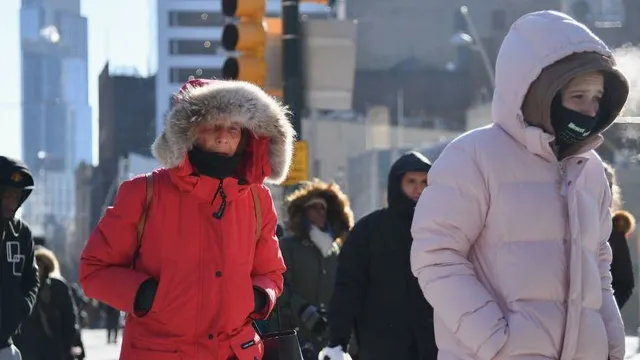
Arctic air blast expected to impact millions across the US
Arctic air blast expected to impact millions across the US
- A recent cold front caused temperatures in the Eastern U.S. to drop dramatically, with warnings issued for freeze conditions in southern Georgia and northern Florida.
- This severe weather will affect millions as Arctic air leads to some areas experiencing winter conditions typically reserved for January.
- The unexpected cold temperatures and accompanying weather patterns indicate a challenging start to the winter season across the nation.
Story
In late November 2025, an unprecedented drop in temperatures began impacting much of the Eastern United States, following a warm spell that left many enjoying mild weather. A cold front swept through the region, leading to a noticeable change in weather patterns coinciding with Thanksgiving celebrations. National Weather Service (NWS) meteorologists warned that temperatures could drop 15 degrees below average, whereas certain southern states like Georgia and northern Florida faced freeze warnings as lows approached the upper twenties in Fahrenheit. This dramatic change was attributed to a cold air mass from Canada, which led to conditions reminiscent of January, well ahead of the meteorological winter that begins in December. In the days following Thanksgiving, millions of Americans, including those shopping on Black Friday, found themselves braving unseasonably chilly weather as a disrupted polar vortex contributed to the frigid conditions. Data indicated that over 175 million people experienced below-average temperatures during this shopping weekend, and certain regions in the Southeast reported night temperatures dipping into the teens. This unusual cold snap not only affected daily life but also set the stage for severe winter weather reports, including significant snowfall predicted in the Midwest. The extreme arctic air mass accompanying this weather shift is expected to continue influencing the Eastern U.S. well into December, corroborated by long-range forecasts indicating a cold and snowy start to the month. Climate scientists had hinted at a possible Sudden Stratospheric Warming (SSW) event that could lead to harsher winter-like conditions across many states, but noted that immediate temperature drops were primarily linked to atmospheric pressure changes over the Arctic region. Thus, residents are being urged to prepare for harsh weather conditions, particularly those who are vulnerable, such as young children, the elderly, and people without housing. As winter storms develop throughout December, forecasts suggest that individuals should remain alert to rapidly changing temperatures and associated snowfall. With records being broken on low temperatures and ongoing freeze warnings in parts of the Southeast, it is crucial for families and local governments to take measures to protect not only agriculture and pets but also ensure the well-being of those at greater risk from the cold. This significant weather event marks a noteworthy instance of early winter conditions usually not seen until later in the season and has affected millions across the country. Monitoring safety measures and updating plans to respond to the unpredictable weather will be vital as this unseasonably cold weather takes hold.
Context
The historical weather patterns in the United States have demonstrated considerable variability influenced by a multitude of factors including geography, climate zones, and large-scale atmospheric phenomena. Over the past century, the United States has experienced a range of climate conditions, from severe droughts in the West to extreme snowfall in the Northeast. Understanding these patterns is essential for various sectors including agriculture, construction, and disaster response. Historical records indicate significant trends such as warmer temperatures over the 20th century, particularly in the context of increased greenhouse gas emissions and urbanization. On average, the nation has witnessed a rise in temperatures of about 1.5 degrees Fahrenheit, which has been particularly pronounced in the Arctic regions and areas experiencing increased industrial activity. This shift in temperature elevates the frequency and intensity of heatwaves, impacting public health and energy consumption. In addition to temperature changes, precipitation patterns have also evolved, leading to notable events such as severe flooding and drought cycles. The western states, for instance, have faced extended drought periods, while the Midwest has seen an uptick in heavy rainfall events leading to soil erosion and crop damage. Events like El Niño and La Niña bring further complexity to weather patterns across the U.S., influencing seasonal weather variations—dictating the timing and distribution of precipitation. Historical data shows a correlation between these phenomena and the incidence of natural disasters, warranting comprehensive analysis to facilitate better preparedness and resilience. Moreover, the impact of climate change on historical weather patterns is profound and multifaceted. The rise in average temperatures has contributed to shifts in the timing of seasons, with earlier springs and extended summers being observed. Such changes have significant repercussions for ecosystems, wildlife migrations, and agricultural productivity. Historically, data confirm that plant and animal species are responding to climate changes by shifting their ranges and altering life cycles, further emphasizing the interconnection between weather patterns and biological diversity. These shifts compel stakeholders in agriculture and conservation to adapt their practices and strategies to mitigate negative impacts. Finally, examining historical weather patterns not only provides insight into the present challenges presented by climate change but also sets the groundwork for future projections. Utilizing historical data for predictive modeling can aid in understanding potential future scenarios influenced by ongoing environmental changes. As society confronts the reality of climate-driven phenomena, it becomes imperative to leverage historical weather data to inform resilient infrastructure planning, policy-making, and community preparedness. Engaging stakeholders through informative communication about historical trends can galvanize a collective response to the ongoing and future challenges posed by weather variability.


