

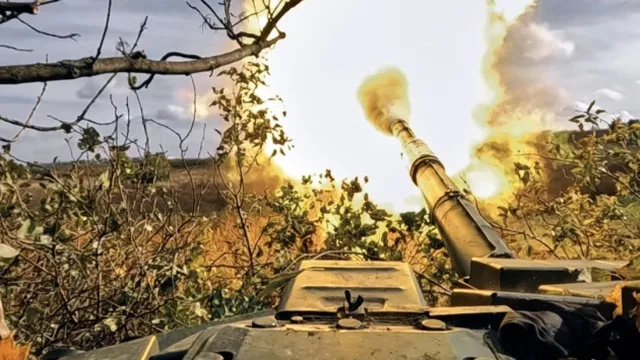
Ukrainian forces engaged in heavy clashes with Russian invaders during November 19 offensive
Ukrainian forces engaged in heavy clashes with Russian invaders during November 19 offensive
- Ukrainian Defense Forces engaged in significant combat clashes with Russian troops on November 19, 2025.
- Heavy fighting occurred, particularly in the Pokrovsk sector, with numerous enemy assaults repelled.
- The ongoing conflict highlights the importance of international support for Ukraine amid escalating military actions.
Story
On November 19, 2025, the Ukrainian Defense Forces experienced intense combat on the frontlines, engaging in 200 clashes with Russian troops. This surge in activity highlighted the ongoing conflict between Ukraine and Russia, with the Ukrainian military actively defending its positions. Reports indicated that the fighting escalated most significantly in the Pokrovsk sector, where numerous attacks were repelled. In addition to ground combat, Russian forces employed missile strikes, airstrikes, and artillery shelling across various regions, indicating a continued aggressive stance. The enduring conflict has resulted in significant personnel losses for both sides, particularly the Russian forces. The fighting also involved sustained assaults on various fronts, with Ukrainian troops countering multiple attacks in sectors including the Northern Slobozhanshchyna, Lyman, and Kramatorsk sectors. According to updates from the General Staff of the Armed Forces of Ukraine, the situation remains critical, with ongoing threats from enemy forces. The Ukrainian military continues to adapt by strengthening logistics and repelling attacks while looking for opportunities to disrupt the enemy’s operations. Furthermore, airstrikes from within Ukraine targeted critical enemy positions, aiming to inflict further losses on Russian logistics and troop movements. The battle dynamic is marked by a persistent rhythm of engagement, skirmishes, and counter-offensives, with both sides demonstrating resilience and refusal to relent. The actions taken by the Ukrainian military reflect a comprehensive strategy to defend territorial integrity while also conducting retaliatory operations against aggressions. In the Pokrovsk sector, Ukrainian forces managed to successfully repel 55 enemy assaults on that day alone, showcasing their commitment to maintaining control over key strategic areas. Despite challenges and severe losses reported in personnel, the Ukrainian Defense Forces remain engaged in a complex combat environment where determination and fortitude are paramount. The statistics reported reveal a costly conflict, with Ukraine continuing to call for support on the international stage as it faces ongoing assaults from Russian military operations. The human cost of this conflict continues to rise, emphasizing the urgent need for resolution mechanisms to be addressed globally.
Context
The historical context of the Ukraine-Russia conflict is deeply rooted in a complex interplay of cultural, political, and territorial disputes, tracing back over centuries. The region has witnessed a fluctuating dominance between various powers, particularly the Russian Empire and the Austro-Hungarian Empire, influencing national identities. Ukraine, which has long sought to assert its sovereignty and cultural independence, finds itself at the crossroads of Eastern and Western influences. The Soviet era marked a significant period of repression and forced integration, during which Ukraine's distinct cultural and national identity was challenged. Following Ukraine's independence in 1991, the country has navigated a precarious path towards consolidation of democracy while dealing with the repercussions of its historical ties to Russia. The pivotal moment in the modern conflict began in 2014, when Russia annexed Crimea following persistent political unrest in Ukraine, which led to the ousting of a pro-Russian president. This event not only sparked international condemnation but also prompted a shift in Ukraine's foreign policy toward stronger ties with the European Union and NATO, garnering a backlash from Russia. As the conflict escalated, particularly in the eastern regions of Donetsk and Luhansk, pro-Russian separatists declared independence, igniting a violent struggle that has resulted in significant loss of life and displacement. The geopolitical implications of the conflict have reverberated around the world, leading to economic sanctions against Russia from Western nations and a resurgence of NATO's military posture in Eastern Europe. Understanding the historical context is crucial for comprehending the motivations behind each side's actions. For Russia, the perceived encroachment of NATO and Western influence is seen as a direct threat to its national security and sphere of influence. Ukraine's desire for sovereignty, democratic reform, and alignment with Western institutions contrasts sharply with Russia's geopolitical ambitions. Additionally, the cultural and linguistic ties shared by many people in Eastern Ukraine and Russia further complicate the narrative, with issues of identity playing a critical role in the ongoing conflict. The conflict has thus not only been a territorial dispute but a contest of identity and political allegiance, deeply entrenched in the memories of past grievances. As of 2025, the situation remains volatile, with intermittent ceasefires failing to bring a lasting resolution to the conflict. The international community continues to engage in diplomatic efforts to mediate peace, yet the underlying issues related to national identity, political loyalties, and territorial integrity persist. Moving forward, any comprehensive solution requires addressing the historical grievances and aspirations of both Ukrainians and Russians, fostering an environment conducive to reconciliation. The Ukraine-Russia conflict serves as a reminder of the importance of understanding historical narratives in informing current political dynamics, emphasizing the need for thoughtful engagement and resolution strategies.


