

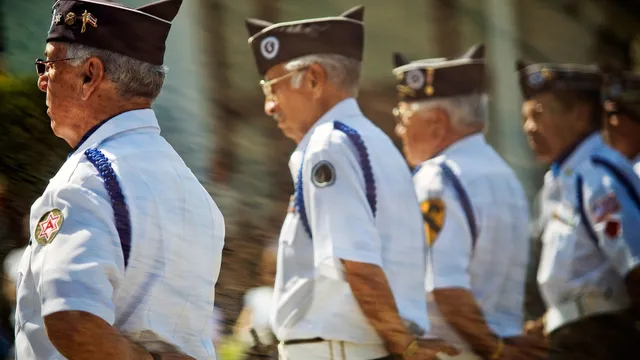
Veterans express highest trust in VA services in history
Veterans express highest trust in VA services in history
- The Department of Veterans Affairs announced that trust among veterans has reached an unprecedented level, with a recorded 82 percent expressing confidence in the agency.
- This trust increase coincides with improvements in VA services and a rise in veterans seeking healthcare and benefits.
- The VA aims to continue tracking trust and using veteran feedback to enhance service delivery in the future.
Story
In the first quarter of fiscal year 2026, the Department of Veterans Affairs (VA) reported a significant increase in trust among veterans, with a record 82 percent expressing confidence in the agency's commitment to them. This rise in trust comes after a series of improvements made by the VA, reflecting the agency's efforts to address veteran concerns and enhance service delivery. Over the years, veterans have faced scrutiny regarding mental health care, particularly after incidents of suicide at VA facilities. These incidents have sparked ongoing debates about the adequacy of care provided to veterans in need of mental health services. Historically, trust in the VA has evolved dramatically. When the VA began measuring trust in 2016, only 55 percent of veterans reported feeling confident in the organization. By early 2024, that figure had already climbed to 80.4 percent. This long-term improvement highlights the importance of veteran engagement and feedback, particularly as the agency expands its services. Key metrics from the latest survey indicate overwhelming satisfaction among veterans, with 93.6 percent trusting VA for outpatient health care needs, reflecting a steady upward trend. The surge in confidence can be linked to a government-wide commitment to improve services for veterans, including increased funding and policy adjustments driven by veteran feedback. In fiscal year 2026 alone, over 4.8 million veterans utilized VA health care, which accounted for more than 29 million clinical encounters. These figures suggest that as veterans feel more trust in the VA, they are more likely to seek the benefits and assistance provided by the agency, including medical care, disability compensation, and housing support. Despite the positive trends regarding trust, challenges remain in addressing veterans' mental health needs and ensuring that support services are adequate and effective. The VA intends to continue publishing trust data quarterly to track improvements and make informed decisions that will enhance veterans' experiences with the agency. Ultimately, the data signals that the VA is making strides in rebuilding relationships with veterans, but continued attention is required to ensure that trust translates into effective care and support for all veterans in need.
Context
The relationship between VA services and veteran suicide rates is a significant concern that requires careful examination. The U.S. Department of Veterans Affairs (VA) provides essential healthcare and support services to veterans, yet the high suicide rates among this population continue to pose a serious challenge. While VA services are designed to address the unique needs of veterans, many do not utilize these resources, leading to a gap in care that may contribute to elevated suicide rates. It is critical to understand the factors that influence veterans' engagement with VA services, including barriers like stigma, accessibility, and awareness of available programs. Research indicates that veterans who utilize VA mental health services have significantly lower rates of suicide compared to those who do not seek help. The VA has implemented various initiatives to improve access to mental health care, including telehealth services and outreach programs to connect veterans with necessary resources. Despite these efforts, there still exists a population of veterans who may not feel comfortable seeking help or may be unaware of the services available to them. Enhancing outreach and education about the importance of mental health care, along with reducing stigma surrounding mental health issues, is vital in encouraging veterans to utilize available resources. Moreover, the role of social determinants of health cannot be overlooked when discussing veteran suicide rates. Factors such as homelessness, unemployment, and lack of social support significantly impact mental health outcomes. The VA has made strides to address these social factors by providing housing assistance, job training programs, and community integration initiatives. These multi-faceted approaches not only aim to improve the overall well-being of veterans but also aim to create a supportive environment that mitigates the risk of suicide. Collaboration with community organizations is essential to extend the reach of VA services and ensure that veterans in need receive comprehensive support. As we continue to navigate the complexities surrounding veteran suicide rates, it is crucial to approach this issue with a holistic perspective that prioritizes the mental, physical, and social well-being of veterans. Addressing barriers to accessing VA services, promoting mental health awareness, and tackling social determinants of health are key components in reducing suicide rates among veterans. Ongoing research, policy development, and community engagement will be vital in shaping effective strategies to support our veterans and honor their sacrifice.


