

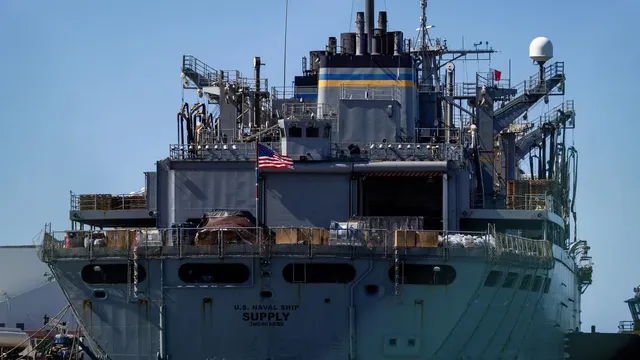
Two US Navy ships collide during refueling operation
Two US Navy ships collide during refueling operation
- On February 11, 2026, a US warship and a Navy supply vessel collided during a refueling operation.
- Two personnel incurred minor injuries, but both ships reported they could continue sailing safely.
- The incident is under investigation, and the cause of the collision has not yet been determined.
Story
On February 11, 2026, a US Navy warship experienced a collision with a Navy supply vessel while conducting refueling operations at sea. The incident involved the Arleigh Burke-class guided missile destroyer USS Truxtun and the Supply-class fast combat support ship USNS Supply. Although both vessels reported the ability to continue sailing safely after the incident, two personnel were reported to have sustained minor injuries but were in stable condition. Details about the specific location of the collision remain unclear, although initial reports indicated it occurred near South America. This incident is currently under investigation by the appropriate authorities of the US Southern Command, which oversees operations in Central and South America as well as the Caribbean region. The collision raises concerns about the safety of naval operations during replenishment at sea, particularly given the potential hazards of conducting such activities in close proximity to another vessel. This event also highlights the need for stringent safety protocols to prevent similar incidents in the future, as naval operations play a critical role in maintaining maritime security and logistics. The investigation's findings may prompt a review of current procedures to ensure that crews are adequately prepared to handle such situations should they arise in the future. As more details emerge, the incident will likely be scrutinized for lessons that can be learned to enhance naval operational safety.
Context
Naval refueling operations are critical for maintaining naval fleet readiness and operational capability. Given the need for sustained and frequent refueling, it is imperative that strict safety protocols are established and adhered to during these operations. These protocols aim to mitigate risks associated with fuel transfer, protect personnel, and preserve marine environments from potential spills and contamination. Comprehensive training programs must be instituted to ensure all personnel involved in refueling operations are well-informed about safety procedures and emergency response measures. The primary hazards associated with naval refueling include flammability of fuel, the potential for spills, and explosions. Personnel must be trained to recognize these risks and implement mitigation strategies, such as ensuring proper ventilation in fueling areas and keeping ignition sources away from fuel lines. Additionally, the use of personal protective equipment (PPE) is essential in safeguarding crew members from potential accidents. Regular safety drills should be conducted to familiarize personnel with emergency procedures, and equipment must be routinely inspected to confirm functionality and compliance with safety standards. Furthermore, the establishment of a safety culture is vital for effective naval refueling operations. This includes fostering open communication among crew members regarding safety concerns and ensuring that all personnel feel empowered to address any unsafe practices. The use of checklists during the refueling process can help aid compliance with safety protocols and serve as a guide for error-free operations. Audits and evaluations of refueling operations can provide insights into potential safety lapses and inform future training and procedural improvements. In conclusion, the safety of naval refueling operations hinges on a multifaceted approach that combines thorough training, adherence to established protocols, and a strong organizational safety culture. As naval forces face increasing demands for operational readiness, prioritizing safety in fuel transfer processes is not only a strategic necessity but also a moral obligation to protect our personnel, equipment, and the environment.


