

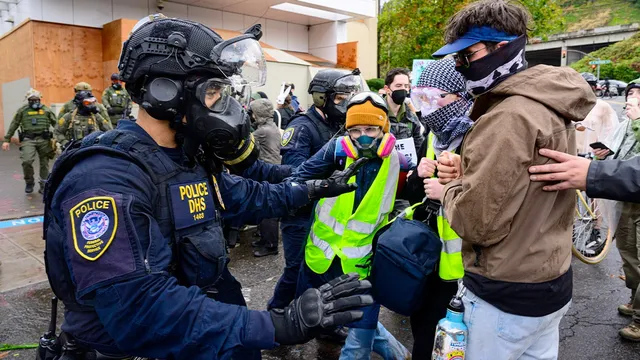
Judge restricts ICE from warrantless arrests in Oregon
Judge restricts ICE from warrantless arrests in Oregon
- A federal judge ruled against warrantless arrests by ICE in Oregon, limiting enforcement to cases where escape is likely.
- The decision stemmed from a lawsuit criticizing ICE's aggressive apprehension tactics and abuse of power.
- This landmark ruling reflects growing concerns regarding the civil rights of immigrants and the need for due process.
Story
In a recent ruling in Oregon, U.S. District Judge Mustafa Kasubhai issued a preliminary injunction that restricts U.S. Immigration and Customs Enforcement (ICE) from making warrantless arrests, except in cases where individuals are likely to flee. This decision comes as a result of a class-action lawsuit spearheaded by the nonprofit law firm Innovation Law Lab, which has challenged ICE's practice of detaining immigrants during intensified enforcement operations without proper warrants. The ruling highlights significant concerns regarding civil rights violations and has been described by activists and legal experts as a pivotal step towards ensuring due process for immigrants. The lawsuit was prompted by troubling testimonies, including that of Victor Cruz Gamez, a grandfather who had been arrested in an immigration sweep despite holding a valid work permit and having a pending visa application. His ordeal showcased the problems with ICE's practices, as he was held in an immigration detention facility for three weeks. Judge Kasubhai criticized the violent and brutal tactics employed by ICE agents during these arrests, such as drawing weapons on individuals for civil immigration violations, signaling a broader concern about law enforcement agencies failing to uphold constitutional rights. Furthermore, the ruling arrives amid a larger context of civil rights advocacy against deportation policies instituted during the Trump administration. These policies have faced widespread scrutiny from various organizations that argue they compromise due process rights and could lead to unjust detentions. In the same vein, Aliya Rahman, an autistic woman with a brain injury, has shared her harrowing experience after ICE officers forcibly removed her from her car during a traffic stop. Her case has drawn considerable attention, illustrating the potentially harmful interactions between law enforcement and individuals with disabilities, as well as the psychological impact of such encounters. As these cases highlight the urgent need for substantive reform in immigration enforcement practices, the ruling by Judge Kasubhai may serve as a catalyst for change. The civil rights implications of the preliminary injunction could resonate beyond Oregon, potentially influencing broader discussions about how immigration enforcement is carried out nationally and the preservation of civil liberties for all individuals, regardless of their immigration status.


