

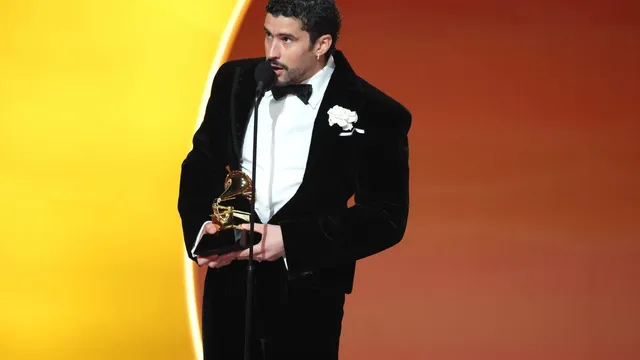
Bad Bunny makes history as the first Latino solo headliner at the Super Bowl
Bad Bunny makes history as the first Latino solo headliner at the Super Bowl
- Bad Bunny's Super Bowl halftime performance is significant as he is the first predominantly Spanish-language artist to headline the event.
- In preparation for the show, many fans are learning Spanish to engage more deeply with his music.
- This performance symbolizes an important moment for Latin representation in mainstream American culture.
Story
In February 2026, Bad Bunny was set to make history at the Super Bowl halftime show as the first predominantly Spanish-language artist to headline this highly viewed event. This performance, scheduled to take place at Levi's Stadium in Santa Clara, California, would prominently showcase Latin culture and music to a global audience. The announcement of Bad Bunny's performance had sparked various reactions, from excitement within the Latino community to criticism from some conservative figures. The show was anticipated not just for its entertainment value, but also for its potential cultural significance during a time of heightened awareness around the issues faced by the Latino community in the United States. Bad Bunny, a Puerto Rican artist, has gained remarkable popularity and recognition in recent years. His album "DeBíd Tirar Más Fotos" made history at the Grammy Awards by being the first Spanish-language record to win Album of the Year, solidifying his impact in the music industry. His career has been characterized by the blending of Latin music with mainstream influences, and he has become a voice for social issues, using his platform to address topics that resonate with many, including immigration and identity struggles. As anticipation for the halftime show built among fans, a unique trend emerged where many supporters began learning Spanish—often inspired by Bad Bunny's music. Social media showcased numerous individuals striving to understand his lyrics and cultural references ahead of the performance. This initiative not only highlights the artist's influence but also underscores a broader trend of appreciation for Latin culture, especially in light of the current political climate in the U.S. The Super Bowl 2026 halftime show was not only a landmark moment for Bad Bunny but also a significant cultural event that reflects changing dynamics in American society. As he prepared to take the stage, many recognized that his performance would serve as a powerful statement of Latin identity, pride, and resilience, further establishing him as a pivotal figure in contemporary music and culture.
Context
The impact of Latin music in United States culture has seen extraordinary growth and influence over the recent years, culminating in 2026. Latin music encompasses a diverse range of styles, including salsa, reggaeton, bachata, and Latin pop, which collectively contribute to a vibrant musical landscape. This burgeoning genre has not only captivated listeners across various demographics but has also forged a significant connection to broader cultural phenomena, influencing fashion, language, and social movements in the U.S. As Spanish-speaking communities continue to flourish in the country, Latin music serves as both a cultural bridge and a source of pride for many, fostering a deep appreciation for heritage and collective identity within these communities. Harvard's recent studies have indicated that the consumption of Latin music has nearly doubled in the last decade, further solidifying its place in the mainstream music charts and festivals across the country. The surge in popularity of Latin artists such as Bad Bunny, Shakira, and J Balvin reflects the genre's remarkable ability to resonate with audiences beyond traditional boundaries. Their willingness to experiment with cross-genre collaborations has not only broadened their appeal but also shattered preconceived notions about musical genres and cultural identity. According to Billboard's latest charts, songs featuring Spanish lyrics have secured top positions alongside mainstream English tracks, signifying a cultural shift where Latin music is acknowledged not only for its catchy rhythms but also for its lyrical depth and cultural authenticity. This transformative trend has prompted the music industry to focus more on diversity and representation, where Latin music fuels broader conversations about race and cultural inclusion. Moreover, the integration of Latin music into various media platforms has allowed for greater exposure and interest in Hispanic culture. Television shows, advertisements, and movies increasingly incorporate Latin music and artists, further amplifying their presence. Events like Coachella and the Latin Grammy Awards celebrate this fusion of cultures, drawing audiences that embrace both Latin and mainstream music. In addition to shaping entertainment, Latin music fosters community among audiences, often uniting people from different backgrounds through shared experiences and celebrations. Festivals such as the Coachella Music Festival and Puerto Rican Day Parade serve as testaments to this unifying power, bringing together thousands to enjoy and celebrate the diverse tapestry of Latin sounds. As the U.S. continues to evolve demographically, Latin music will undoubtedly play a crucial role in shaping cultural narratives and promoting inclusivity. The increasing accessibility of Latin music through digital platforms further facilitates its reach, allowing listeners from all backgrounds to discover and enjoy these vibrant sounds. This phenomenon not only celebrates diversity but also contributes to the cross-pollination of music styles and artistic expressions, making Latin music vital to the broader cultural landscape in the United States. In conclusion, the impact of Latin music is significant and multifaceted, underscoring a cultural renaissance that highlights the importance of embracing diversity in a rapidly changing world.


