

Camping bookings surge as cost of living crisis worsens
Camping bookings surge as cost of living crisis worsens
- Campsites in the West of England are seeing a rise in bookings for 2026, with local campers predominating.
- Many visitors report financial pressures as a primary factor in their travel choices, emphasizing affordability.
- The increase in camping popularity highlights a shift away from more expensive forms of tourism in response to economic difficulties.
Story
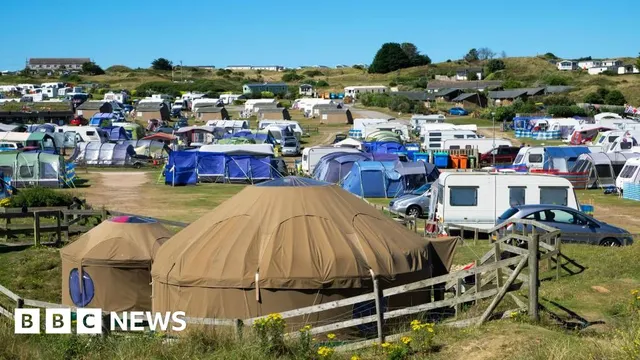
In the West of England, particularly in Gloucestershire and Somerset, there has been a significant increase in camping bookings during the early months of 2026. Campsites are reporting higher patronage, especially as customers make last-minute reservations due to financial constraints exacerbated by rising fuel prices. For example, Greenacres Campsite in Coleford expressed concerns at the start of the season as bookings were delayed, but by the end of April, they had recorded more bookings than in the previous year. Similarly, Petruth Paddocks in Cheddar saw around 1,500 bookings during the May bank holiday weekend, which is roughly double their usual numbers, contributing to an overall 20% increase this year. According to site owner Jules Sayer, only 40% of their customers have traveled from further than 40 miles away, indicating a tendency towards local holidays as people are more mindful of travel expenses. As disposable income continues to shrink, camping, which offers a more affordable holiday option, is seeing a boost compared to other tourism sectors that have faced difficulties, such as hotels and indoor attractions. This shift reflects the broader trends influenced by economic pressures on disposable income, leading to a general squeeze in the tourism market, particularly in regions like Somerset, which boasts a tourism value of approximately £1.1 billion and supports around 18,000 jobs. While camping appears to thrive, other sectors struggle, emphasizing a changing landscape in the way families navigate their travel options in the face of ongoing financial challenges.


