

BBC presenter misquotes Nigel Farage, sparks outrage
BBC presenter misquotes Nigel Farage, sparks outrage
- Matt Chorley misquoted Nigel Farage during an interview about the murder of Henry Nowak.
- The misquote led to public outrage and accusations of racialization of Farage's comments.
- The BBC issued an apology and removed the episode from its platforms.
Story
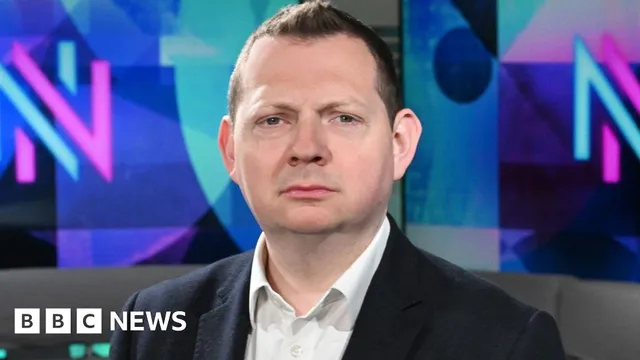
In the United Kingdom, a significant controversy arose following an episode of BBC's Newsnight where presenter Matt Chorley misquoted Nigel Farage, the leader of Reform UK. During a discussion about the murder of 18-year-old Henry Nowak, who was killed in Southampton, Chorley incorrectly stated that Farage had called for 'white cold rage' in response to the incident. In reality, Farage had urged the public to respond with 'pure cold rage.' This misquote was repeated three times during the broadcast, leading to widespread backlash and accusations of racialization of Farage's comments. The murder of Henry Nowak, who was stabbed to death by Vickrum Singh Digwa, a 23-year-old Sikh man, has sparked national outrage. The police's handling of the case has been heavily criticized, particularly after bodycam footage revealed that officers treated Nowak as a suspect rather than a victim. Digwa falsely claimed to be the victim of a racist attack, which further complicated the situation. Following the release of the footage, protests erupted in Southampton, with demonstrators expressing their anger over the perceived failures of the police and the justice system. In light of the misquote, Matt Chorley publicly apologized to Farage, stating that he had 'misremembered' the quote. The BBC also issued a formal apology, acknowledging the mistake and clarifying that Farage's comments were misrepresented. The episode of Newsnight was subsequently removed from BBC iPlayer and BBC Sounds, and an apology was scheduled to be aired in a later episode. Farage's legal team demanded a full on-air apology and an investigation into the matter, arguing that the misquote was defamatory and altered the meaning of his remarks. This incident highlights the ongoing tensions in the UK regarding race, policing, and media representation. Critics have accused the media and government of framing public outrage over issues like immigration and crime as far-right extremism, rather than addressing the legitimate concerns of citizens. The misrepresentation of Farage's comments has added fuel to the fire, as it suggests that he was invoking race as a basis for public anger rather than condemning the racialized treatment of individuals by authorities.


