

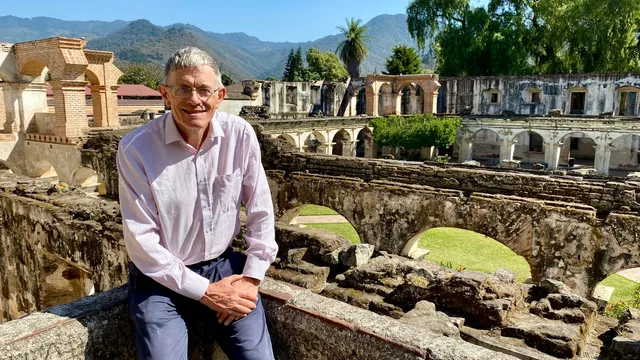
Guatemala's tourism minister disputes UK travel warnings
Guatemala's tourism minister disputes UK travel warnings
- Harris Whitbeck criticized the strict warnings from the UK Foreign Office regarding travel in Guatemala.
- Whitbeck proposes that travel advisories should be region-specific rather than blanket warnings.
- He believes that tourist-frequented areas are safe and encourages reliance on social media for travel experiences.
Story
Guatemala’s tourism minister, Harris Whitbeck, recently expressed criticism towards the Foreign Office's severe travel warnings regarding safety in Guatemala. He contends that these advisories, which have been in effect for many years, do not accurately represent the safety of the regions that tourists typically visit. Whitbeck emphasized that while he understands the need for such warnings, they should be more nuanced and based on regional assessments rather than blanket negative statements that cover the entire country. He encouraged potential travelers to rely on firsthand experiences shared through social media, which paint a more positive image of Guatemala. The Foreign, Commonwealth & Development Office (FCDO) has issued strong travel advice highlighting risks of violent crime, including sexual assault and gun crime, suggesting that attacks can occur at any time and in any area. The advisory particularly notes a concerning rise in armed attacks by local gangs and warns of express kidnappings and carjackings, causing apprehension among travelers. The FCDO reiterated that its primary focus is the safety of British nationals, and updates to advisory warnings are based on ongoing assessments of the country's security conditions. In contrast to the gloomy advisories, Whitbeck stressed that the regions commonly visited by travelers are safe and highlighted that the rise of social media allows tourists to share their experiences, which can help dispel fears and misinformation. He argued that social platforms offer a platform for individual travelers to showcase a different perspective of Guatemala, demonstrating that it can be a safe and rewarding destination for visitors. Overall, the debate between the FCDO and Whitbeck illustrates a significant tension between governmental travel advisories and the experiences reported by travelers. As the tourism sector grapples with the impacts of safety perceptions on international travel, Whitbeck's claims raise important questions about how safety information should be communicated to potential visitors, with a focus on presenting a balanced view of the country’s travel landscape.


