

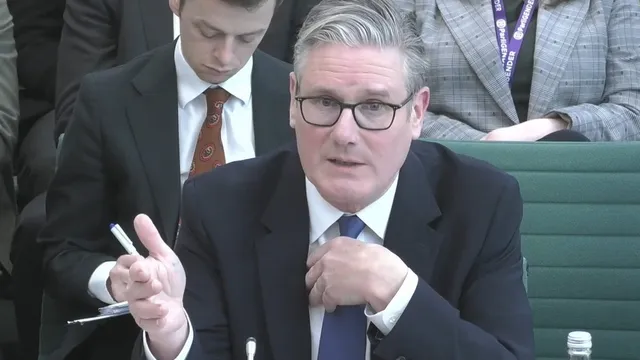
Keir Starmer backs US use of UK bases amid Middle East conflict
Keir Starmer backs US use of UK bases amid Middle East conflict
- The conflict in the Middle East is affecting British economic interests and citizen safety.
- Sir Keir Starmer supports allowing American forces to use British bases to counter Iranian missile threats.
- The UK must participate in multinational efforts to maintain trade flow and protect its national interests.
Story
The ongoing conflict in the Middle East poses significant challenges to Britain, compelling its leaders to take a stance on international military actions. As tensions escalated, especially with threats from Iranian forces against international shipping in crucial areas such as the Strait of Hormuz, the UK recognized the direct impact on its economic interests and the safety of British nationals in the region. Sir Keir Starmer, a prominent Labour figure, advocated for a proactive defense strategy. He asserted the necessity of permitting American forces to utilize various British bases, aimed at thwarting missile threats and safeguarding international trade routes. Moreover, Starmer expressed the need for British military involvement in multinational efforts to maintain security in these volatile waters, emphasizing that the UK has a vested interest in the free movement of trade, particularly regarding petroleum products, which are essential to its economy. The strategic placement of British military bases allows the UK to play a critical role, particularly since its installations in Cyprus and Diego Garcia are within range of Iranian missile threats. Consequently, the UK government has aimed to bolster defensive measures in the region. Despite criticisms, including opposition from figures like John McDonnell, Starmer's viewpoint highlights a pragmatic approach to understanding Britain's global responsibilities. He called for a balanced strategy that counters Iran's aggressive posture while ensuring the protection of UK citizens abroad. As diplomatic attempts to resolve the conflict faltered, Starmer's position became more complex. He supported defensive actions without endorsing military aggression initiated by the United States or Israel but acknowledged that apathy would not benefit British interests. The measures taken by British forces, including operations against Houthi missile launchers, were deemed necessary to maintain safe passage for vessels traversing the Red Sea. This reflects a fundamental conflict; while Britain seeks to remain diplomatically engaged, it cannot ignore its obligations to maintain its national security and protect allies in the face of military threats. Furthermore, the state of trans-Atlantic relations raises concerns among policymakers. There is a palpable unease regarding the dependency of European nations on American military support, particularly with rising fears surrounding Europe’s own defense capabilities. The shift in dynamics has provoked debates about whether increased European self-reliance could lead to a reconfiguration of international alliances. Critics argue that if Europe were to step up its defense initiatives, it could inadvertently sow discord or lead to a unification that rivals US power on the continent. Ultimately, as the situation in the Middle East unfolds, Britain's commitment to a defensive and collaborative international effort remains more crucial than ever for maintaining global economic stability.


