

Hezbollah escalates drone warfare against Israel using new technology
Hezbollah escalates drone warfare against Israel using new technology
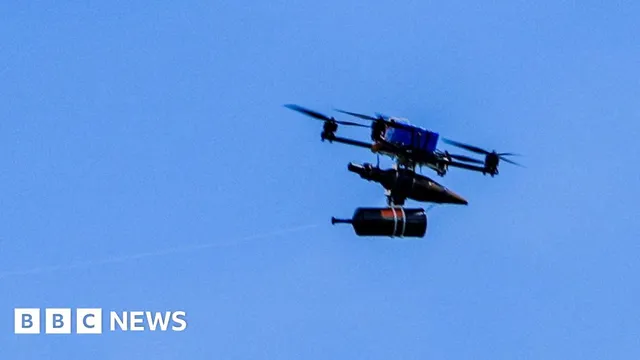
- Hezbollah is now utilizing fibre-optic drones as a primary weapon against Israel's forces, resulting in multiple casualties.
- The recent drone attacks have raised concerns about safety in Israeli border communities, altering the nature of civilian life.
- Israel's military is responding to the growing threat by contemplating strategic strikes on operational sites and adapting tactics.
Story
In the context of ongoing conflict in Lebanon and Israel, Hezbollah has significantly increased its use of fibre-optic drones targeting both Israeli military personnel and civilians. This escalation in drone warfare has become a major concern in the region, especially as fighting continues six weeks into a supposed ceasefire. The Israeli military has reported casualties, including the deaths of one soldier and injuries to others in a recent drone strike near the Israeli border community of Shomera. Since the ceasefire began, eight of the eleven Israeli fatalities have been attributed to these drone attacks, illustrating the immediate threat posed by Hezbollah's evolving tactics. Israeli military assessments suggest that Hezbollah has developed a skilled cadre of drone operators and accumulated a considerable stockpile of drones, each costing between $300 and $400. These cheap, small drones can be effectively deployed against Israeli forces, which are currently engaged in operations in southern Lebanon, as well as against communities within Israel itself. The attacks have left visible signs, like trails of fibre-optic wires, and have generated widespread fear among residents in border towns such as Shomera. Many locals express concern about the unpredictability of these new attacks, noting that unlike rocket strikes with a warning window, drone strikes come without prior notice. Observations from the Alma Research Center emphasize that Hezbollah’s strategy appears to be shifting toward harming civilians more frequently, particularly as their operational capabilities against military targets improve. This tactic extends the frontlines of the conflict into civilian daily life, raising ethical concerns regarding the conduct of warfare in this persistent conflict. Capt Adi Stoler, a spokesperson for Israel's military, further asserted that Hezbollah is deliberately targeting civilians as they engage with daily activities. This shift in tactics underscores a worrying trend where military and civilian domains collide, impacting both sides of the border. In response to the heightened threat from drone warfare, Israel's military leadership has begun advocating for a more aggressive strategy, reportedly including targeted strikes on locations in Beirut. However, there has been criticism surrounding the Israeli military's adaptability to the new threats, particularly in light of lessons learned from conflicts elsewhere, including conflicts involving Ukrainian forces. This criticism reflects a significant concern regarding the preparedness of Israeli forces to address the evolving realities of modern warfare, especially as they apply insights gained from the experiences of Ukrainian troops in combating similar drone threats. The implications for regional stability are profound, as the ongoing use of drones threatens to escalate violence and further complicate an already tense situation.


