

military conflicts
tragic
controversial
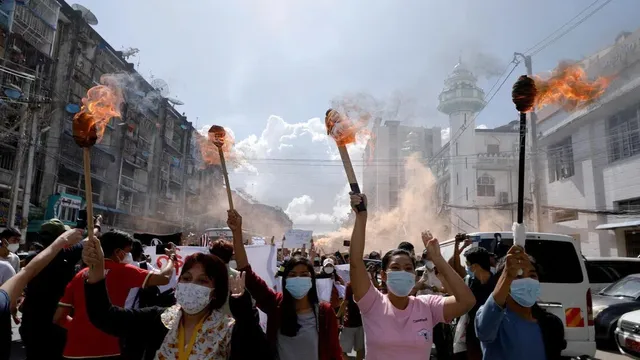
At least 170 civilians killed in Myanmar air strikes during election
Jan 30, 2026, 2:12 PM20
(Update: Jan 30, 2026, 8:30 PM)
military conflicts
tragic
controversial
At least 170 civilians killed in Myanmar air strikes during election
- The United Nations reported over 400 military air strikes in Myanmar from December 2025 to January 2026, resulting in at least 170 civilian deaths.
- The election during this period has been widely condemned as a sham, with significant portions of the population excluded from voting.
- The ongoing violence and repression reflect the military's attempt to secure power while sidelining democratic processes.
Insights
News 2 2
Related reports
Opinions
Story
“
impact shift market strategic geopolitical analysis shift market global analysis impact market geopolitical shift geopolitical insight market policy shift data policy market impact trends policy impact data geopolitical trends impact strategic global global geopolitical insight trends shift shift analysis data analysis strategic global data data impact trends strategic strategic strategic data geopolitical impact economic data trends insight strategic analysis trends analysis strategic trends impact market global geopolitical shift analysis economic market shift geopolitical shift shift analysis data policy shift global...
2026 All rights reserved



2026 All rights reserved