

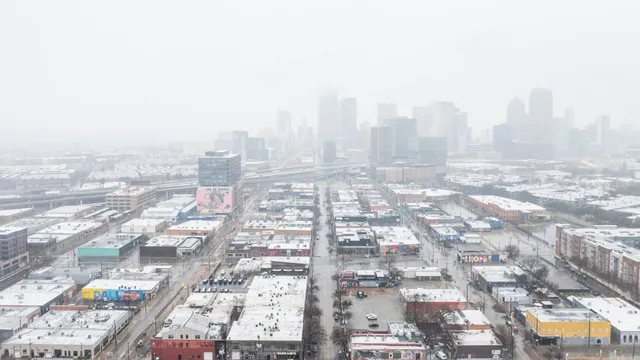
Massive snowstorm predicted to bring up to 4 feet of snow across multiple states
Massive snowstorm predicted to bring up to 4 feet of snow across multiple states
- A winter storm impacted numerous states, bringing varying snowfall amounts from Florida to Maine.
- Hazardous driving conditions prompted multiple winter storm warnings from the National Weather Service.
- Conditions are projected to improve post-storm, but temperatures will remain low, cautioning about lingering hazards.
Story
In January 2026, various states across the United States were under weather alerts due to significant snowfall impacting regions from Florida to Maine. A winter storm brought 1 to 6 inches of snow to parts of the Northeast on the weekend, with rare snow accumulations reported in southern states like Florida and Georgia. This unusual weather led the National Weather Service to issue multiple winter storm warnings, particularly in the Northeast and parts of Michigan, projecting hazardous conditions and disruptions to travel due to ice and snow. Conditions are expected to improve after the storm, but lingering cold temperatures will remain. The storm system had already resulted in significant snowfall from parts of Texas through the Southeastern U.S. during the weekend, impacting many residents who experienced a winter wonderland for the first time. Notably, areas in Georgia saw rare snow accumulation of over an inch, and for parts of the Florida Panhandle, it was the first occurrence of snow in consecutive winters. Meteorologists have pinpointed upcoming cold air and potentially powerful systems forming that could affect the Northeast and Southern Plains later in the week. Before the storm’s arrival, the National Weather Service alerted communities to prepare for disruptive conditions. Forecasts indicated possible blizzard-like conditions in certain regions and significant travel disruptions due to the combination of heavy snowfall and icy roads. People were cautioned about the safety impacts as temperatures were expected to drop significantly in the states experiencing precipitation. As the storm system moved eastward, weather experts there forewarned of the consequences of the incoming Arctic air and its merging with moisture from the Gulf, which could contribute to further winter weather events across the nation. Predictions suggested that localized areas could receive anywhere from 10 to 20 inches of snow with the largest accumulations centered in southern New York and western New England, creating a picturesque winter landscape and posing significant challenges for transportation and daily activities.
Context
impact shift economic strategic policy insight trends insight strategic trends market shift analysis trends economic global policy data shift market policy geopolitical strategic shift market data trends data impact impact strategic strategic market shift analysis geopolitical data insight geopolitical insight policy trends geopolitical geopolitical geopolitical market global strategic strategic shift strategic policy economic insight market shift insight market impact shift geopolitical market economic economic geopolitical global economic impact economic policy insight data shift impact impact analysis shift impact market global...


