
military conflicts
informative
impactful

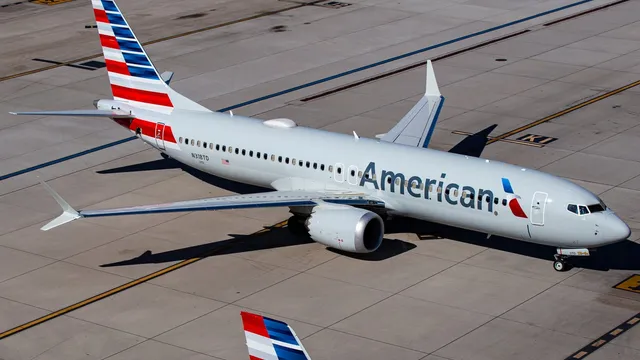
American Airlines flight returns to Miami after disruptive passenger incident

Feb 3, 2026, 6:15 PM10
(Update: Feb 3, 2026, 6:15 PM)
major airline of the United States
country primarily in North America
sovereign state in South America

American Airlines flight returns to Miami after disruptive passenger incident

  • An American Airlines flight was forced to declare an in-flight emergency due to a disruptive passenger.
  • The flight, AA2259, returned to Miami after taking off for Quito, Ecuador, shortly after 8 PM.
  • The incident prompted law enforcement intervention upon the flight's return and no injuries were reported.
Share your opinion
1

Story

On January 31, 2026, an American Airlines flight heading to Quito, Ecuador from Miami, United States, was compelled to return mid-flight due to a disruptive incident involving a passenger. The aircraft, identified as flight AA2259, departed Miami International Airport at approximately 8:12 PM local time. It was reported to have taken off 47 minutes behind schedule before signaling an in-flight emergency by issuing squawk 7700, indicating a general emergency situation. Shortly after takeoff, the flight reached a cruising altitude of 31,000 feet but was diverted to return to its point of origin after the crew encountered a situation involving a passenger that required law enforcement assistance upon landing. The Boeing 737 MAX 8 made a U-turn over Cuba and safely landed back at Miami International before 10 PM, completing its return journey 1 hour and 40 minutes after departure. Fortunately, neither passengers nor crew members reported any injuries throughout the incident. Following the emergency landing, the airline's representatives credited their staff for handling the incident professionally and expressed appreciation for the passengers' cooperation during what they described as a challenging situation. On February 1, passengers were rebooked on a replacement flight from Miami to Quito, which landed at its destination around 2:50 PM. This incident highlights the challenges airlines can face with disruptive behavior among passengers, echoing similar occurrences wherein flights had to return to their departure points previously, such as a recent incident involving a Lufthansa flight that returned to London due to technical issues.

Context

Flight emergency procedures are critical to ensure the safety of passengers and crew in the event of unforeseen incidents during air travel. Airlines must have comprehensive emergency procedures in place, which include protocols for various scenarios such as depressurization, engine failure, fire, medical emergencies, and evacuation during landing or takeoff. These procedures should be regularly reviewed and practiced through simulations and drills to maintain readiness among flight crews. Clear communication protocols must also be established to inform passengers and crew members of the required actions during an emergency, as well as to coordinate responses with ground support and first responders. Training for flight attendants and pilots is paramount in emergency preparedness. Crew members must undergo rigorous training programs that cover the use of emergency equipment, evacuation techniques, and first aid responses. They should be familiar with the aircraft's layout and safety features, including exit locations and the operation of slides and life vests. Regular refresher courses and assessments ensure that all crew members stay updated on any changes in procedures and operational protocols, thereby enhancing their confidence and efficiency in handling real emergency situations. In the case of cabin emergencies, such as sudden loss of cabin pressure, crew members are trained to execute rapid decompression procedures. Masks must be deployed within seconds, and instructions for passenger use must be communicated effectively. In situations where evacuation is necessary, such as an engine fire during takeoff, coordinated efforts between the flight deck and cabin crew are crucial. Time-sensitive decisions must be made, and all crew members should be familiar with their specific roles in these situations to minimize confusion and ensure smooth execution of the evacuation process. Continued emphasis on safety culture within airlines is essential for enhancing emergency response capabilities. This involves open communication about potential hazards, encouraging reporting of near misses, and learning from incidents to improve protocols continuously. Regulatory bodies require airlines to adhere to stringent safety standards and undergo regular audits, ensuring compliance with emergency procedure regulations. The combination of thorough training, well-documented procedures, and a proactive safety culture plays a pivotal role in mitigating risks and safeguarding the lives of everyone aboard.

2026 All rights reserved
