

New York declares state of emergency amid winter storm chaos
New York declares state of emergency amid winter storm chaos
- A severe winter storm hit the Northeast, resulting in a declaration of a state of emergency in New York.
- The storm caused power outages affecting over 300,000 homes and led to numerous flight delays and cancellations.
- Travelers are urged to avoid unnecessary travel as hazardous conditions persist, significantly impacting holiday travel plans.
Story
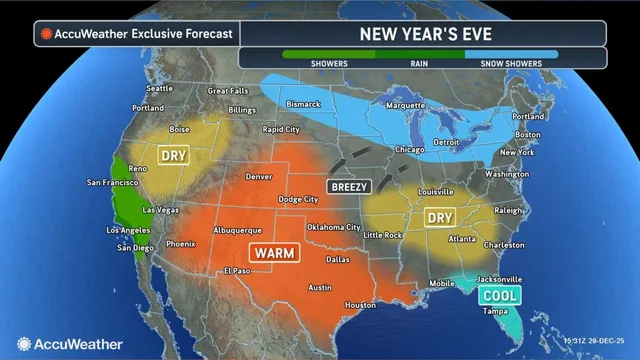
As millions of Americans closed out the year 2025, severe winter weather affected various regions across the country. On December 30, New York experienced significant snowfall and high winds, prompting Governor Kathy Hochul to declare a state of emergency. The storm system, characterized by lake-effect snow, primarily impacted areas downwind of the Great Lakes, where up to 36 inches of snow was forecasted. Wind gusts reached up to 70 mph in some locations, resulting in power outages for over 300,000 homes and treacherous travel conditions throughout the state. Weather patterns indicated further severe conditions were likely to persist into New Year's Day, affecting travel plans for numerous individuals. Reports indicated that over 7 million people were under winter alerts, with extensive areas in the Northeast facing harsh conditions, including whiteout scenarios. Flight delays and cancellations mounted as the storm disrupted one of the busiest travel weekends of the year, raising concerns among authorities. Consequently, commuters and travelers were strongly advised to avoid unnecessary travel during this hazardous period of winter weather. The situation served not just as a reminder of the unpredictable nature of winter storms, but also of their potential to significantly impact daily life and travel in affected areas.
Context
Lake-effect snow is a meteorological phenomenon that occurs when cold air moves over relatively warmer waters, resulting in significant snowfall in localized areas, often downwind of large bodies of water such as the Great Lakes. This report examines the impact of lake-effect snow on travel conditions, particularly focusing on regions prone to this phenomenon, especially during the winter months. Lake-effect snow can lead to hazardous travel conditions due to its intensity and often sudden onset, creating challenges for motorists and transportation agencies alike. The primary characteristic of lake-effect snow is its ability to produce heavy snowfall in narrow bands, which can vary greatly in intensity over short distances. This variability makes it particularly difficult for travelers to anticipate and navigate changing road conditions. While some regions may experience light flurries, others may receive several inches of snow in a short period, resulting in reduced visibility and slippery roads. The localized nature of lake-effect snow means that one town may face severe winter weather while adjacent areas remain relatively unaffected, complicating travel plans across regions. Travelers can be adversely affected by lake-effect snow through various means, including increased accident rates, delays in transportation services, and interruptions to routine activities. State and local authorities often need to implement snow removal and road treatment strategies in preparation for lake-effect snow events. However, due to the unpredictable nature of these snowbands, timely responses can be challenging. As weather forecasts can sometimes fail to accurately predict the location and intensity of snowfall, travelers are urged to stay informed through weather updates and act accordingly to minimize risks. Additionally, infrastructure, including roads and public transportation systems, must be regularly evaluated to withstand the impacts of severe winter weather, including lake-effect snow. Safety measures for travelers in lake-effect snow regions include being well-prepared for poor road conditions by equipping vehicles with snow tires and emergency supplies. It is crucial for motorists to drive cautiously, reduce speeds, and maintain a safe distance from other vehicles during snow events. Awareness campaigns can help educate the public about the specific challenges of lake-effect snow, encouraging proactive behaviors to enhance safety on the roads. In conclusion, lake-effect snow significantly affects travel conditions in regions that experience this phenomenon. With a combination of preparation, timely information, and awareness, the risks associated with traveling during lake-effect snow events can be managed effectively.


