

MLB's robot umps can't eliminate human error due to technology limits
MLB's robot umps can't eliminate human error due to technology limits
- The ABS system aims to improve pitch accuracy during MLB games and measures the strike zone based on player height.
- Players can challenge pitch calls, but the margin of error complicates the reliability of the system.
- Despite technological advances, concerns remain about the capacity for human error in critical game moments.
Story
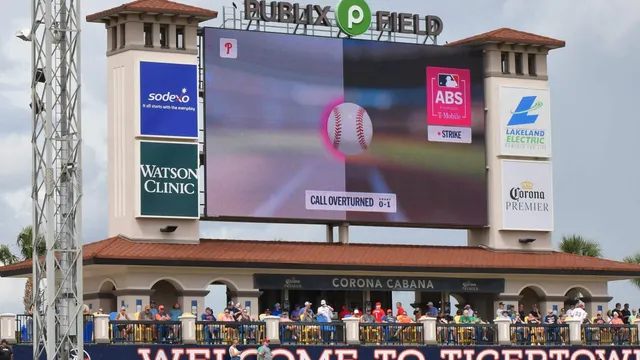
In recent months, Major League Baseball has introduced a new Automated Ball-Strike (ABS) system aimed at improving pitch calls during games. Spring training games have served as a testing ground for this innovation, allowing players and umpires to experience this technology first-hand. The ABS system measures the strike zone using quantifiable numbers based on player height, establishing a specific bottom and top of the zone. Despite its intention to reduce incorrect calls, players have expressed concerns regarding the margin of error, which allows for calls to be overturned even if pitches are slightly within the acceptable limits, leading to heated discussions about the system's reliability. One significant aspect of this system involves a challenge procedure whereby players can dispute pitch calls made by umpires. Only players can initiate an ABS challenge, which has the potential to clarify calls on pitches deemed around 0.1 inches outside the strike zone. This raises concerns amongst players when calls are overturned, especially during critical moments, like the last pitch of a game, as they feel this could lead to unnecessary controversy. The integration of this system is viewed with cautious optimism, with many hoping for improvements in call accuracy, yet they acknowledge the inherent limitations of the technology. As teams adjust to using this challenge system, statistics have emerged showcasing its usage in spring training. For instance, around 11.8% of all challenges this spring have occurred within what’s termed the 'Call Stands Zone'. This has sparked discussions within the league about the implications of maintaining a call that may not be ideal when a player challenges it. Ultimately, there are concerns regarding the implications for game integrity, as the potential for overturned calls remains a contentious issue among players and coaches alike. In the broader context, while technology in baseball has the potential to enhance the game, players and umpires alike are grappling with its implications. The discussions surrounding the ABS system showcase ongoing struggles as the league attempts to balance advancing technology with preserving the essence of baseball. This evolving situation highlights an important interaction between sports tradition and modern technology, emphasizing that while products of innovation can improve efficiency, they may also reflect the unpredictable nuances of human error on the field.


