

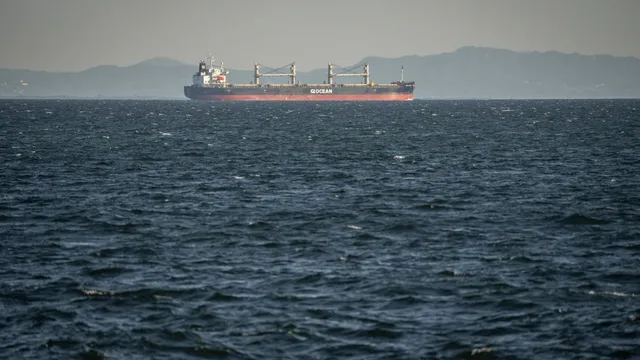
Japan secures passage for oil tanker through disputed Strait of Hormuz
Japan secures passage for oil tanker through disputed Strait of Hormuz
- A Japanese-owned tanker, Idemitsu Maru, exited the Strait of Hormuz after negotiations between Japan and Iran.
- Japan's reliance on Middle Eastern crude oil has been disrupted since the onset of the Iran war, with many ships still stranded.
- The successful transit of the Idemitsu Maru highlights the complex negotiations surrounding energy shipping routes during ongoing geopolitical tensions.
Story
Japan has been significantly affected by global energy disruptions, with reports indicating that it is experiencing oil shortages. In early April 2026, a Japanese-owned tanker named Idemitsu Maru exited the Strait of Hormuz. This marked the first time since the onset of the Iran war that a vessel under Japanese ownership was allowed through the strait. The Idemitsu Maru was carrying 2 million barrels of Saudi crude oil and was previously stranded for two months in the Persian Gulf. The transit was a result of negotiations between Tokyo and Tehran, with the Iranian government granting passage for the tanker. Prior to the current conflict, Japan relied heavily on Iranian oil, importing over 90 percent of its crude from the Middle East via the Strait of Hormuz. Following the closing of the strait due to military actions against Iran, many Japanese-linked vessels remain stuck there. Currently, about 40 such ships are unable to navigate through due to concerns over safety and the high cost of war risk insurance. Consequently, Japan is exploring alternative routes to fulfill its oil requirements, managing to secure around 60 percent of its crude oil from sources that bypass the strait, according to Takaichi. The case of the Idemitsu Maru has historical significance, as it recalls a precedent from the 1953 Nissho Maru incident, where Idemitsu transported Iranian oil to Japan amid international pressures. Analysts, including Hidenori Watanave from the University of Tokyo, stress that while the passage of Idemitsu Maru suggests that selective passages are possible, it does not indicate a return to normalcy for Japan’s energy shipping routes through the Strait of Hormuz. This situation underscores the geopolitical complexities and challenges Japan faces in securing its energy supply. Meanwhile, the United States has maintained a military blockade against Iran, conducting operations to interdict vessels suspected of transporting contraband. The U.S. military's increased involvement indicates an ongoing tension in the region as it seeks to disrupt Iran's energy trade. Although a recent ceasefire was agreed upon, the U.S. has refrained from lifting the blockade, which adds to the strained relationships in the region. President Donald Trump's comments suggest that Iran is under significant pressure to stabilize its leadership situation while reestablishing secure shipping routes.


