
business
informative
impactful

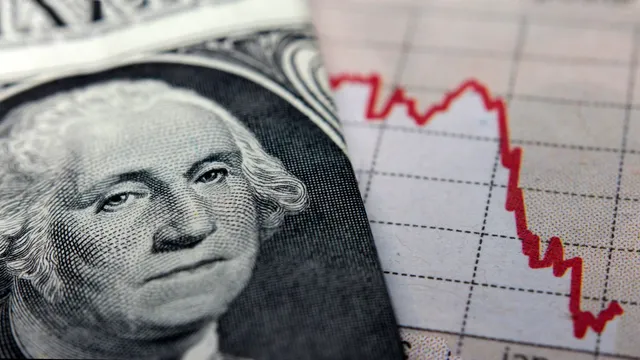
Goldman Sachs raises recession odds to 25 percent amid rising economic pressures

Mar 16, 2026, 1:49 PM10
(Update: Mar 16, 2026, 1:49 PM)
American investment bank
country primarily in North America

Goldman Sachs raises recession odds to 25 percent amid rising economic pressures

  • Goldman Sachs increased its recession probability estimate for the US to 25 percent following weak job growth and rising oil prices.
  • The firm noted that job creation is barely above zero, indicating economic instability and potential layoffs.
  • These economic pressures are likely to reduce consumer spending and heighten the risk of recession.
Share your opinion
1

Story

In February 2026, Goldman Sachs raised its 12-month recession probability for the United States to 25 percent due to various economic pressures. The increase was attributed to a weak payroll report reflecting a decline of 92,000 jobs, which highlights softer labor market trends affecting job creation. The rise in oil prices, particularly Brent crude, contributed to increasing inflation levels, complicating the economic landscape. Alongside these pressures, the use of tariffs has exacerbated inflationary issues, particularly affecting core inflation metrics and the Federal Reserve's capacity to consider interest rate reductions. Goldman Sachs indicated an urgent need for job growth to outpace unemployment rates, which was projected to reach 4.6 percent by the third quarter of 2026. The investment firm's research emphasized how energy prices tied to geopolitical tensions, particularly in the Middle East, would remain a critical factor influencing inflation and economic policy outcomes. Reports of rising gasoline, diesel, and jet fuel costs signal a broader increase in prices for consumer goods and services. Mark Zandi, chief economist at Moody's Analytics, anticipates that heightened energy costs will result in reduced consumer spending capabilities, particularly for lower and middle-income households. This potential drop in demand may lead businesses to lay off workers, further pushing towards an increased likelihood of recession. Public sentiment around economic conditions has become more strained, as rising inflation and economic instability threaten consumer confidence. As economic forecasts shift, various platforms for betting on recession odds have emerged, with Kalshi indicating a 32.4 percent probability and Polymarket at 31 percent for a recession occurring before the end of 2026. The evolving economic landscape poses significant challenges not only for professional analysts and forecasters but for everyday Americans who are beginning to feel the impacts of inflationary pressures and potential job insecurities. The noted volatility in oil prices and job numbers makes it crucial for financial analysts and policymakers to closely monitor these trends in the coming months.

Context

Tariffs are a critical economic tool that governments use to regulate trade and protect domestic industries. However, their impact on inflation is a contentious issue among economists and policymakers. This report explores the relationship between tariffs and inflation, highlighting key mechanisms through which tariffs influence price levels in an economy. When tariffs are imposed, the cost of imported goods rises, which can lead to higher prices for domestic consumers. Firms that rely on imported materials may pass these increased costs onto consumers, leading to a general rise in the price level, often referred to as demand-pull inflation. As a result, sectors most affected by tariffs can see significant price increases, contributing to overall inflation rates in the economy. On the other hand, tariffs can also impact inflation indirectly. For instance, tariffs can lead to decreased competition by protecting domestic industries from foreign competition. This lack of competition can reduce the incentive for domestic producers to keep prices low, further exacerbating inflationary pressures. Additionally, tariffs can lead to supply chain disruptions. When tariffs are imposed, firms may struggle to source materials or finished goods from overseas, leading to supply shortages in the domestic market. These shortages can push prices upward as demand outpaces supply, thus creating inflationary pressures. Economies that are heavily reliant on imports for essential goods may be particularly vulnerable to these effects. The historical context of tariffs provides further insight into their inflationary effects. For instance, during periods of high tariffs, such as the Great Depression in the United States, significant price increases were observed. Conversely, there are instances where tariffs have been lowered or eliminated, resulting in decreased prices for consumers. The Trade Expansion Act of 1962, which aimed to reduce tariffs and promote trade, is often cited as a measure that helped lower inflation during that period. It illustrates that while tariffs can protect domestic industries, they can also lead to unintended consequences for consumer prices and overall inflation rates. In conclusion, the relationship between tariffs and inflation is complex and multifaceted. While tariffs can lead to increased prices for consumers through both direct and indirect channels, their long-term impact on inflation is influenced by various factors, including the state of the economy, consumer behavior, and global trade dynamics. Policymakers must carefully weigh the protective benefits of tariffs against their potential inflationary effects to develop balanced trade policies that promote economic stability without burdening consumers.

2026 All rights reserved
