

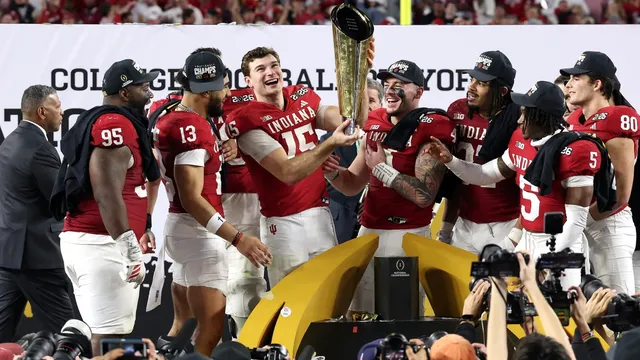
Curt Cignetti transforms Indiana into champions
Curt Cignetti transforms Indiana into champions
- Indiana University, led by head coach Curt Cignetti, won its first national football championship on January 19, 2026.
- Cignetti transformed a historically losing program into a national champion in just two seasons.
- This achievement is considered one of the greatest coaching accomplishments in college football history.
Story
In January 2026, Indiana University, under the leadership of head coach Curt Cignetti, achieved a historic milestone by winning the college football national championship. The Hoosiers faced Miami and secured a thrilling 27-21 victory, marking the first national title in the school's history. This victory capped off an undefeated season for Indiana, culminating in a perfect 16-0 record, a feat not accomplished since Yale's 1894 team. The success of the team was unprecedented considering Indiana's historically poor football program, often recognized as one of the losingest in collegiate history. Curt Cignetti's coaching tenure at Indiana has been short but transformative, taking the team from obscurity to becoming the best in the country in just two seasons. This remarkable turnaround drew widespread attention and admiration across the sports world, as many compared his achievement to some of the greatest coaching feats in sports history. His ability to galvanize the team and instill confidence has been pivotal in this journey. After the championship victory, Cignetti’s daughter shared a humorous social media interaction recounting her father's seemingly unemotional response to their monumental win. Despite his reserved demeanor, Cignetti expressed enthusiasm when asked about his happiness following the championship, which resonated with fans and critics alike, showcasing a more human side of the coach known for his serious approach. His statement, "I win. Google me," reflects his confidence and assertiveness, which has come to define his coaching identity and philosophy. As Indiana prepares for the next season, Cignetti's work is far from finished. He has confirmed his commitment to building Indiana into a perennial powerhouse in college football, emphasizing stability and continued success. The arrival of star quarterback Josh Hoover from TCU promises to keep the momentum going as Indiana aims to continue their unbeaten streak into the upcoming 2026 season. The significance of this victory for both the team and Cignetti cannot be overstated, as it may set a precedent for future college football programs struggling to overcome historical adversity.
Context
The history of the Indiana football program is a narrative rich with tradition, challenges, and moments of triumph. Established in 1887, the Hoosiers can claim a long-standing presence in collegiate football, marked by a consistently competitive spirit. Despite facing hurdles typical of a program operating within the confines of a powerhouse conference like the Big Ten, Indiana has cultivated a dedicated fanbase and produced notable athletes over the decades. The program's early years were characterized by sporadic success, but the introduction of systematic coaching and recruitment strategies in the mid-20th century spurred a transformation in their competitiveness. In the 1960s and 1970s, Indiana football experienced a renaissance under Coach John Pont, leading the team to a dramatic resurgence. The pinnacle of success came in 1967 when the Hoosiers secured their first Big Ten championship. This era solidified the team's position in college football, highlighted by appearances in several bowl games. However, the following decades proved difficult as coaching changes and fluctuating performance levels hindered sustained success. The program found itself navigating through the challenges of consistency, grappling with both recruitment issues and internal dynamics that affected on-field performance. The late 20th century and early 21st century saw further fluctuations, but significant investment in facilities and support for the program offered hope for revitalization. A modern emphasis on developing talent and implementing contemporary strategies showcased a shift in direction. This period also saw the emergence of standout players who not only excelled in college football but went on to achieve success in the NFL, thereby enhancing the program's reputation. The arrival of Coach Tom Allen in 2016 marked a crucial turning point, igniting a sense of renewed ambition within the football community and among fans, setting a course aimed at re-establishing Indiana as a formidable competitor in the Big Ten. By 2021, Indiana football experienced one of its most successful seasons in decades, reflecting the outcomes of strategic investments and a solid recruitment ethos. Not only did they achieve achievements on the field, but they also gained recognition for the academic performance and community involvement of their athletes, reinforcing the idea that Indiana football was about more than just winning games. As the program looks to the future, the challenges remain vast, yet the combination of historical legacy, dedicated support, and a clear vision for development creates an optimistic outlook for the continued evolution of Indiana football.


