

Iran executes four political prisoners amid rising tensions
Iran executes four political prisoners amid rising tensions
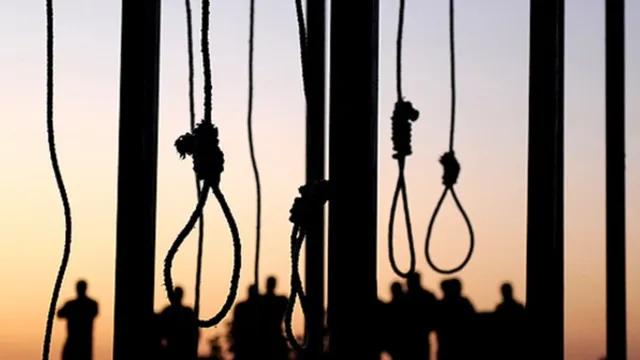
- Iran executed four political prisoners, marking a significant escalation in the regime's internal repression.
- The actions follow airstrikes from the US and Israel that have resulted in civilian deaths and heightened tensions.
- These executions reflect the regime's attempts to instill fear among the population and suppress dissent amid regional conflict.
Story
In Iran, the clerical authorities carried out the executions of four political prisoners on March 30-31, 2026. This act follows a significant escalation in internal repression and reflects the regime's increasing focus on controlling dissent amid ongoing conflict with the United States and Israel. The executed individuals, two of whom were identified as Babak Alipour and Pouya Ghobadi, were previously accused of being part of the Mujahedin-e Khalq (MEK), with the Iranian government labeling this group as a terrorist organization. Notably, these executions took place shortly after the U.S. and Israeli air strikes began in late February 2026, which resulted in the deaths of over 1,500 civilians since that time. The Iranian authorities, according to human rights activists, are using the war as cover for heightened executions, as the political costs of such actions appear lower during periods of external conflict. Moreover, the situation for prisoners has become dire, especially within the infamous Evin Prison, where several inmates reported violent conditions. Craig and Lindsay Foreman, a British couple jailed on espionage charges, have expressed fears for their lives, highlighting the escalating tensions and the potential for state executions. They pointed out the deteriorating conditions inside the prison and the impact of external conflicts on their precarious situation, creating a lingering sentiment of abandonment by their home government. The couple's son has publicly criticized the British government’s inadequate response to their plight. The Iranian regime is thus perceived as intensifying its crackdown on any opposition, especially in the face of war, which highlights the regime's fear of popular protests and dissent. This atmosphere of fear is compounded by reported arrests and legal actions against individuals labeled as threats to state stability. Activists argue that these executions symbolize the regime's desperate attempts at maintaining control over a populace increasingly influenced by resistance movements against the clerical rule. With ongoing tensions between Iran and other nations, the impact of such actions resonates beyond the prisons, influencing diplomatic relations and humanitarian perspectives globally. As the situation evolves, the international community, particularly human rights organizations, are calling for accountability and urging a reconsideration of the treatment of political prisoners within Iran. There is a consensus that the current environment serves as a significant barrier to any movement towards peace or reform within a nation grappling with both domestic and external challenges.


