

Google launches free SAT practice tests for students using Gemini
Google launches free SAT practice tests for students using Gemini
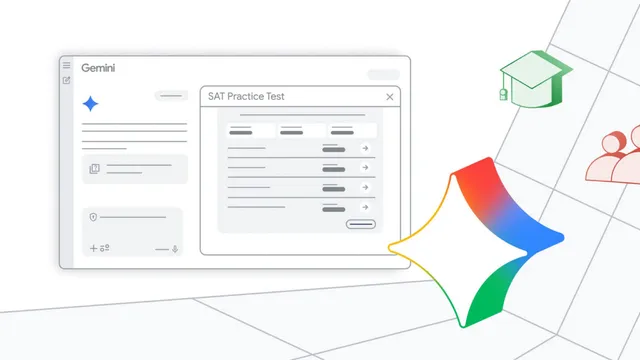
- In January 2026, Google introduced a feature in Gemini that allows users to access free SAT practice tests, designed to enhance study options.
- Internal documents reveal Google's strategy of cultivating lifetime users through its educational products, while acknowledging concerns about the safety of YouTube for students.
- The criticism surrounding Google's educational initiatives centers on ethical issues and the desire for market expansion, raising questions about the integrity of its mission.
Story
In January 2026, Google announced the integration of a feature in its Gemini platform that enables students to access free SAT practice tests. This initiative aims to support students' academic performance and provide an alternative to costly preparation methods. The platform allows users to simply request a practice test, which is then generated with features such as clickable buttons, graphs, and score analysis. Google acknowledges that while generative AI can sometimes produce incorrect information, it offers an 'Explain answer' option to clarify misunderstandings. The tests generated by Gemini aim to enhance learning outcomes without the expense associated with traditional tutoring services. Simultaneously, internal documents revealed that Google views its educational initiatives as a strategic move to foster brand loyalty among future users. The documents indicate that Google's presence in schools, particularly through products like Chromebooks and learning platforms, is intended to convert students into lifelong customers. Despite positive intentions, the conflict arises from research indicating the potential dangers of platforms like YouTube, which are deemed distracting and unsafe for students. For instance, the 2018 presentations highlighted significant concerns regarding the ability to filter unsafe content on YouTube. The documents suggest that Google sees early engagement with students as a means to secure future loyalty, with hopes that they will continue using its products into adulthood. This raises ethical questions among educators and advocates regarding the sincerity of the company's efforts in the education sector. Critics argue that while Google promotes the benefits of its educational tools, the underlying motive appears to be market expansion and customer retention. Furthermore, in the context of a lawsuit against major tech firms related to children's safety online, Google has been implicated alongside other corporations such as Meta and ByteDance. The plaintiffs argue that these companies have contributed to the problematic marketing of addictive social media platforms to children. In response, Google maintains that its educational tools are not directly marketed to schools and emphasizes the positive feedback it receives from educators regarding the integration of YouTube content in classroom settings. This ongoing tension between providing value to education and being perceived as exploiting a vulnerable market continues to shape the narrative surrounding Google's role in schools.


