

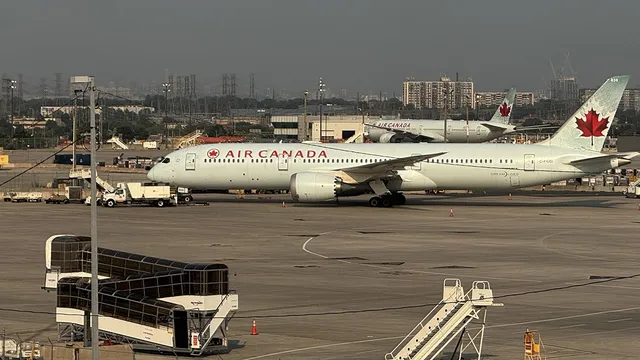
Passengers terrified as screams echo from trapped worker in Air Canada plane
Passengers terrified as screams echo from trapped worker in Air Canada plane
- On December 13, 2023, passengers aboard Air Canada Flight 1502 heard screams from the cargo hold prior to takeoff.
- The screams were from a ground crew member who became trapped inside the cargo hold when the doors closed unexpectedly.
- The flight was ultimately canceled, but no injuries occurred, highlighting the effectiveness of emergency procedures.
Story
On December 13, 2023, an alarming incident occurred at Toronto Pearson Airport, Canada, involving Air Canada Flight 1502. The flight, which was scheduled to depart for Moncton, New Brunswick, was about to take off when passengers heard disturbing screams emanating from the cargo hold of the aircraft. These screams were the result of a ground crew member inadvertently becoming trapped after the cargo door closed while he was loading items onboard. The sounds of banging and desperate pleas for help instigated a palpable panic among the passengers seated near the back of the aircraft. They quickly alerted flight attendants, prompting an immediate response. The aircraft, which was carrying 184 passengers, was still taxiing when it was brought to a halt on the runway. The pilot informed the passengers of the situation, explaining that someone from the ground crew was inside the luggage hold. This revelation heightened anxiety among the travelers as they became more aware of the seriousness of the matter. Thankfully, the crew promptly responded by coordinating with ground staff to address the emergency, and soon after, the trapped ground crew member managed to free himself and emerged from the cargo hold. He was able to reassure the frightened passengers that he was unharmed. Following the incident, Air Canada confirmed that no injuries were reported. The flight was ultimately canceled, prompting an evacuation of the passengers back to the terminal. Once inside, passengers were required to disembark the aircraft while flight crew completed necessary paperwork. This unexpected event left many travelers shaken, and it showcased the importance of safety protocols and communication during flight preparations. Though the experience was traumatic for those involved, it ended without harm, highlighting the effectiveness of emergency procedures in aviation. The incident provides a critical reminder of the challenges crew members may face during ground operations and the potential risks when safety measures fail. While ground crew often play a vital role in the seamless operation of flights by attending to loading and unloading tasks, situations like this underscore the need for vigilance and thorough checks to ensure that all personnel are accounted for before securing aircraft doors. In conclusion, quick action and effective communication during emergencies can prevent tragedies, even in the face of bizarre and unexpected circumstances.
Context
Air Canada has established comprehensive safety protocols for its ground crew to ensure the highest level of safety and efficiency in airport operations. The ground crew plays a critical role in maintaining aircraft, handling baggage, and facilitating the boarding process, all of which involve various safety risks. To mitigate these risks, Air Canada implements rigorous training programs focused on safety procedures, emergency response, and the proper use of equipment. Each ground crew member undergoes regular training sessions, workshops, and assessments to stay updated on the latest safety regulations and practices. The emphasis on continuous learning not only enhances individual performance but also fosters a culture of safety within the organization. In addition to extensive training, Air Canada enforces the use of personal protective equipment (PPE) among its ground crew. This includes gloves, safety vests, helmets, and eye protection, depending on the specific job requirements. The use of PPE is mandatory and is strictly monitored to ensure compliance. Regular safety audits are conducted to evaluate the effectiveness of safety measures and identify areas for improvement. These audits help in reinforcing Air Canada's commitment to creating a secure operating environment for its employees, thereby minimizing the likelihood of accidents and injuries. Another critical aspect of Air Canada's safety protocols is the implementation of safety management systems (SMS), which provide a structured approach to managing safety risks. The SMS encourages proactive identification and assessment of potential hazards, allowing ground crew members to report safety concerns without fear of retribution. This system includes procedures for investigating incidents and near-misses, promoting transparency, and enacting corrective actions where necessary. By fostering an open dialogue about safety concerns, Air Canada empowers its employees to take ownership of their safety and that of their colleagues. Finally, communication is a vital component of Air Canada’s safety protocols for ground crew. Clear lines of communication are established among ground crew members and other airport staff to ensure that any issues that may jeopardize safety are addressed immediately. Safety briefings and debriefings are conducted regularly to share important information and lessons learned from previous incidents. The commitment to effective communication not only enhances safety outcomes but also strengthens teamwork and collaboration among ground crew members, ultimately leading to smoother airport operations.


