

Judge blocks subpoenas against Fed Chair Jerome Powell in political pressure case
Judge blocks subpoenas against Fed Chair Jerome Powell in political pressure case
- A federal judge ruled against the Justice Department's subpoenas targeting Federal Reserve Chairman Jerome Powell.
- The judge noted there was minimal evidence of wrongdoing, labeling the subpoenas as a means of political pressure.
- This ruling reinforces the independence of the Federal Reserve amid ongoing political scrutiny.
Story
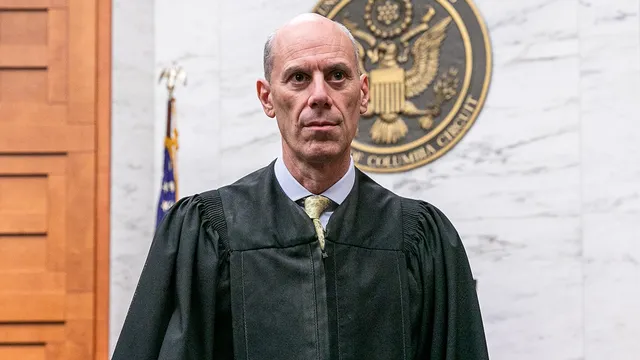
In Washington D.C., a federal judge ruled to block subpoenas issued by the Justice Department against Federal Reserve Chairman Jerome Powell, citing a lack of evidence justifying their issuance. Judge James Boasberg stated that the subpoenas were essentially a means to pressure Powell to lower interest rates or to resign, reflecting the ongoing political pressure faced by the economics institution. The subpoenas were reportedly related to Powell's testimony regarding the renovation of Federal Reserve office buildings, which had attracted attention from the Trump administration. The ruling sparked a debate about the independence of the Federal Reserve, highlighting concerns about attempts to influence monetary policy through political means. The backdrop to this case is the increasing pressure from former President Donald Trump, who has publicly criticized Powell for failing to facilitate lower interest rates. Powell has consistently adhered to the principle of setting rates based on economic assessments rather than political pressures. The probe, which had raised concerns about its motivation, was characterized by critics as a politically charged effort against a prominent central bank figure. Boasberg emphasized that the evidence presented by the Justice Department was too thin to warrant such an investigation. The ruling was met with remarks from U.S. Attorney Jeanine Pirro, who criticized the decision and stated intentions to appeal. The subpoenas had been justified on the grounds of investigating Powell's actions related to the renovation costs of the Fed's headquarters, which were termed by Trump as excessive. Following the ruling, several Republican senators, including Thom Tillis, expressed support for Powell, defending the Federal Reserve's autonomy from political influence and highlighting the urgency for a resolution to ensure the confirmation of Trump's nominee to succeed Powell. The case has raised vital questions about the future of the Federal Reserve's operations and the pressure it may face from future administrations. Powell's current term is set to expire in May, around which time the implications of political pressures on monetary policy may come to a head. The ruling sheds light on the balance between political considerations and economic decision-making, particularly in circumstances where public statements from elected officials put central bank operations under scrutiny.
Context
The independence of the Federal Reserve is a fundamental principle that underpins its ability to effectively manage monetary policy and maintain economic stability. The Federal Reserve, as the central bank of the United States, is designed to operate independently from political pressures to ensure that decisions regarding interest rates and money supply are made based on economic indicators rather than political motivations. This independence is essential for avoiding the detrimental effects of short-term political considerations that may lead to inflationary policies or undermine the credibility of monetary policy due to perceived government interference. As the economic landscape evolves, pressures arise from various political entities seeking to influence the Fed's policies for their short-term objectives, often leading to debates about the appropriate level of independence necessary for effective governance of monetary policy. Political pressure on the Federal Reserve can manifest in several ways, including public criticism from elected officials, proposals for legislative changes to its governance structure, and calls for greater transparency regarding decision-making processes. These pressures can intensify during times of economic crisis, such as recession or inflation, where there is a push from politicians and constituents for immediate action. While the Fed's leadership may feel the weight of such pressures, its long-standing goal is to adhere to its mandate of promoting maximum employment and stable prices without yielding to transient political pressures. This independence has allowed the Fed to implement policies that sometimes go against popular opinion yet serve the long-term best interests of the economy. The relationship between the Federal Reserve and the political landscape is complex and dynamic. Historically, central banks are afforded a degree of independence as a safeguard against the often populist tendencies of elected officials, who may be tempted to reduce interest rates or expand the money supply in response to immediate voter concerns. However, periods of intense political scrutiny reveal an ongoing struggle to maintain this independence. Instances of legislative attempts to reform the Federal Reserve's operations or structure often arise during times of economic malaise, as politicians seek to address public frustration. The growing discourse around the Fed's intricate balance of independence and accountability underscores the necessity for ongoing dialogue between the central bank and the government while ensuring that monetary policy remains focused on long-term economic stability rather than short-term political gains. Resilience in the face of political pressure is critical for the Federal Reserve as it navigates the challenges posed by external influences. Ensuring that policymakers and the public understand the importance of its independence is vital for the Fed. Enhanced communication strategies about its goals and decision-making frameworks can help demystify the institution's operations while reinforcing its commitment to economic stability. As the Federal Reserve continues to operate in an increasingly politicized environment, maintaining its autonomy will be essential to effectively manage the economy, ensuring that the lessons learned from the past guide its approach to future challenges. The central bank's ability to uphold its independent status while engaging with the political framework will be key to sustaining confidence in its decisions and achieving its statutory mandate.


