
business
informative
controversial

Elena Aragón Hernández carries on family tradition of mezcal production

Mar 16, 2026, 2:02 PM10
(Update: Mar 16, 2026, 2:02 PM)
country in North America

Elena Aragón Hernández carries on family tradition of mezcal production

  • Mezcal production in Oaxaca involves physically demanding labor that requires traditional techniques passed down through generations.
  • Agave, particularly the espadin species, is harvested and roasted underground to develop its distinct flavor.
  • Mezcal serves not just as a drink but is deeply embedded in the culture and hospitality practices of the region.
Share your opinion
1

Story

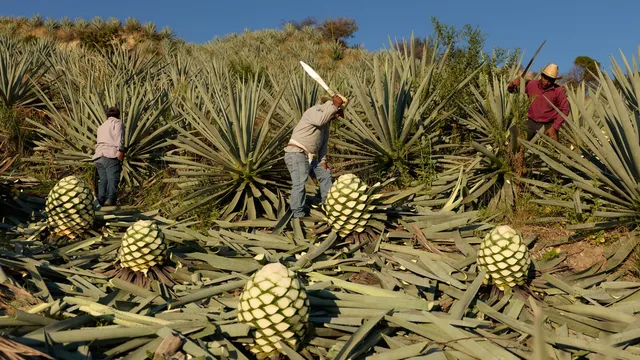
In Mexico, mezcal production has been an integral part of daily life, particularly in the state of Oaxaca, which is known as the largest mezcal producer in the country. The process of making this agave-based spirit remains traditional and labor-intensive, following practices that have been passed down through generations within Indigenous families. Harvesting begins in the fields, where workers use machetes to cut the spiny leaves of the agave plant, primarily the espadin species, which is favored for its quicker maturation compared to other varieties. The agave hearts, known as pineapples, are then transported to distilleries using trucks or donkeys, showcasing the demanding nature of the work. At these facilities, agave is roasted for several days in underground pits lined with stones, a technique that contributes to the signature smoky flavor of mezcal. The story of mezcal production is not just a craft but embodies the life and customs of the people, like Elena Aragón Hernández, who grew up in Santa Maria Zoquitlan and learned the art of mezcal-making from her father. Once the agave is roasted, it undergoes milling, where the cooked agave is ground into a fibrous mash. This is often done using stone crushing wheels pulled by horses, reflecting another traditional method. After milling, the mash is sent to fermentation tanks made of wood, where it is mixed with water and left to ferment for several days or weeks. The duration of fermentation can vary significantly based on environmental factors such as temperature and humidity. Some modern producers have begun implementing sustainable practices, such as sourcing certified wood and installing water cooling systems that allow them to reuse water, thereby minimizing waste during fermentation and distillation. Notably, producers like Armando Martínez Ruiz navigate the challenges of mezcal production by employing considerable resources—his distillery, for example, utilizes about 30,000 liters of water and more than 15 tons of firewood monthly to create around 5,000 liters of mezcal. The quality of the spirit is assessed using traditional methods based on sight, smell, and taste, emphasizing the importance of artisanal craftsmanship. This painstaking approach ensures the authenticity of mezcal as an agave spirit, which continues to draw tourists from around the world to Oaxaca, particularly to mezcalerias, local bars that celebrate this rich culture. Mezcal not only serves as a popular alcoholic beverage but also holds cultural significance as a remedy and a welcoming gesture among local communities. It embodies the heritage and continued efforts of families dedicated to preserving the intricate processes involved in its production. Each bottle of mezcal tells a story of labor, tradition, and the land from which it comes, contributing to the growing appreciation and recognition of this unique Mexican spirit on the global stage.

Context

The history of mezcal production in Oaxaca is deeply intertwined with the cultural and agricultural heritage of the region. Mezcal, a distilled spirit made from the agave plant, has its roots in pre-Hispanic Mexico, where indigenous peoples used the agave for various purposes, including food, fiber, and the production of pulque—an alcoholic beverage made from fermented agave sap. In Oaxaca, the unique varieties of agave grown in the region contribute significantly to the distinct flavor profiles of mezcal. The tradition of mezcal production has been passed down through generations, with artisanal methods still in practice today that reflect the craftsmanship and dedication of rural communities in Oaxaca. As European influence spread throughout Mexico following the Spanish conquest in the 16th century, the production of mezcal evolved. Distillation techniques were introduced by the Spaniards, which helped refine the process and improve the alcohol content. During colonial times, mezcal became popular not only among locals but also among the Spanish settlers, leading to its increased production. Despite the widespread consumption of tequila, which is primarily made from one specific type of agave (blue agave), mezcal continues to enjoy popularity for its diverse flavors and rustic character. It is often produced in small batches using traditional methods, distinguishing it from mass-produced spirits. The mezcal production process is labor-intensive and involves several critical steps, including harvesting the agave, roasting the piñas (the heart of the agave), fermentation, and distillation. Each stage of production can vary, particularly in how the agave is roasted—either in underground pits for a smokier flavor or in traditional above-ground ovens for a cleaner taste. This variability in production techniques contributes to the wide range of flavors and qualities found in different mezcal brands. Furthermore, the specific region within Oaxaca where the agave is grown, along with the local climate, soil, and artisan practices, all result in unique expressions of mezcal. In recent years, mezcal has gained international recognition and popularity, leading to a surge in exports and a growing market. This has resulted in both opportunities and challenges for local producers. On one hand, increased demand has provided economic benefits and has allowed artisans to promote their heritage and products on a global scale. On the other hand, the rise in popularity has led to concerns about the potential for over-exploitation of agave resources and the risk of compromising traditional production methods. Efforts are being made to ensure sustainable practices are followed and to protect the designation of origin for mezcal, similar to what has been done for other spirits like tequila. Today, mezcal not only serves as a significant cultural symbol in Oaxaca but also as a vehicle for promoting environmental sustainability and preserving traditional craftsmanship.

2026 All rights reserved
