

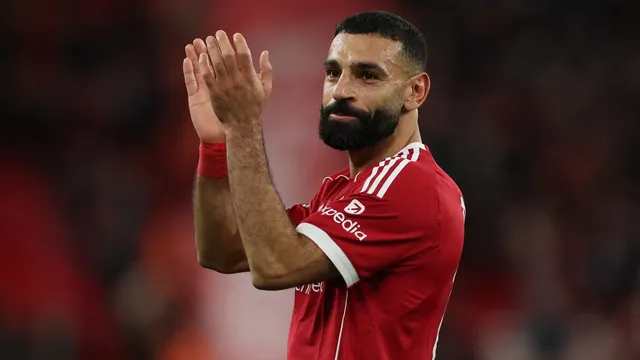
Arne Slot confirms Liverpool have moved on from Salah's criticism
Arne Slot confirms Liverpool have moved on from Salah's criticism
- Mohamed Salah's explosive interview two weeks ago caused a crisis at Liverpool.
- Following discussions, Salah returned to the squad against Brighton and is now on AFCON duty.
- Arne Slot expresses hope that Liverpool can maintain their improved performance as they focus on upcoming matches.
Story
In England, Liverpool manager Arne Slot stated that the club has moved on from the controversy surrounding forward Mohamed Salah. This statement follows an explosive interview given by Salah two weeks prior, in which he expressed feelings of being scapegoated for the team's poor performances. The remarks led to significant media attention and an internal crisis at Anfield. Salah was subsequently dropped for a key Champions League match against Inter Milan. After discussions with Slot, he returned as a substitute during the Premier League win over Brighton, emphasizing the importance of focusing on performance moving forward. Currently, Salah is participating in the Africa Cup of Nations (AFCON) with the Egypt national team. This international commitment could see him miss several key matches for Liverpool, including the upcoming game against Tottenham. Slot acknowledged that it is essential for both Salah and Liverpool to concentrate on their respective challenges without distractions stemming from recent controversies. He expressed that all focus should now be on Salah's contributions to the Egypt team during the tournament, signaling a fresh start in their relationship following the tension. Slot described the importance of winning matches to restore team spirit and confidence after a difficult period which saw the club struggle with a poor streak of form. Liverpool had experienced nine defeats in twelve matches prior to their improved performance lately, going unbeaten in the last five games. This uptick in results aligns with Slot’s plan to build a more competitive team, especially as they navigate a busy fixture schedule with new signings integrated into the squad. As the team prepares for further matches in the Premier League, injuries loom large over their roster. Players like Cody Gakpo and Joe Gomez are out due to muscular injuries, while Dominik Szoboszlai's fitness is uncertain. However, Jeremie Frimpong is poised to return after a two-month layoff. Slot is hoping the recent improvements translate into consistent performances, which are vital as the league table remains highly competitive with many teams close in points range. He is optimistic that their positive trajectory will continue to foster team cohesion and eventually translate into higher standings in the league.
Context
The Africa Cup of Nations (AFCON) is a major continental football championship that primarily impacts players from across the African continent. Scheduled typically every two years, the tournament not only showcases the footballing talents from participating nations but also influences the careers and physical states of the players involved. As teams select their best squads to compete, many players experience a dual burden during this period: they must perform at their utmost capacity in a crucial tournament setting while also managing their commitments to their respective clubs, particularly in European leagues. This creates a delicate balance between national pride and club obligations, often leading to varying opinions among players and managements on the timing and importance of the tournament. Additionally, the tournament draws significant attention from fans and media alike, increasing the pressure on players to perform well and contribute to their team's successes. However, the legacy of AFCON extends beyond the matches played, as it serves as a pivotal moment for players to elevate their international profiles and potentially facilitate moves to larger clubs due to enhanced visibility and scout interest generated through their performances at the tournament. The scheduling of AFCON can often conflict with club seasons, particularly in Europe, where the tournament typically takes place at the start of the year. This timing forces clubs to navigate player availability and affordability, as many top African talents are crucial to their squad's success. The ensuing challenge impacts tactical preparations and operations, creating a domino effect in player recruitment and management. In some instances, clubs may even take a financial hit should key players leave for the tournament, ultimately affecting their standings in domestic leagues. This interplay underscores the complex relationship between national pride represented in AFCON and the economic realities of modern football, where the priority often leans toward club commitments over national duty. In terms of player health and wellness, participation in AFCON presents both risks and benefits. On one hand, competing in such a high-stakes environment can lead to injuries due to the intensity and pressure of the tournament. On the other hand, AFCON offers athletes an opportunity to build resilience and showcase their skills on a prominent stage, contributing to their overall development as players. This breadth of experience can be invaluable, especially for younger players making their mark on the international scene. However, clubs often remain concerned about the short and long-term impacts of these intense tournament schedules on a player’s physical condition. Consequently, clubs and player agencies often advocate for adjustments in scheduling or group negotiations to mitigate the fallout associated with the tournament calendar. Ultimately, the Africa Cup of Nations is more than just a football tournament; it is a critical event that shapes the future of players and clubs alike. It possesses the power to redefine careers, challenge club dynamics, and influence the socio-economic landscape of football across Africa. As the tournament evolves, it will be essential for all stakeholders—players, clubs, and governing bodies—to engage in dialogue about the scheduling and implications, ensuring that the tournament can thrive while continuing to serve its players and contributing to the growth of the sport.


