

Alabama Public Television votes to keep PBS programming despite backlash
Alabama Public Television votes to keep PBS programming despite backlash
- The Alabama Educational Television Commission voted unanimously to maintain its contract with PBS.
- The decision followed significant public opposition to the idea of cutting ties with PBS.
- The vote affirms the ongoing importance of PBS programming for Alabama's children.
Story
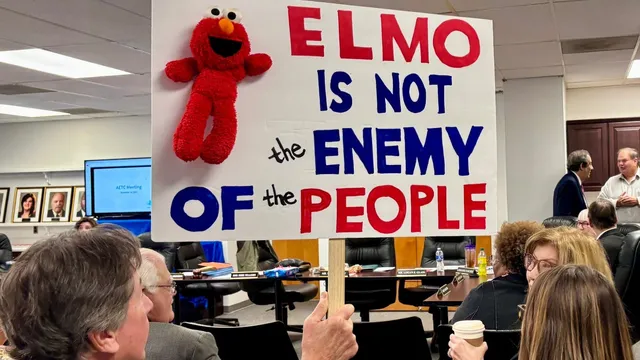
In Alabama, the Educational Television Commission made a significant decision recently by voting to maintain its contract with the Public Broadcasting Service (PBS). This vote followed widespread public backlash against the idea of severing ties with the broadcast organization, which would have marked Alabama as the first state to do so amidst ongoing political tensions and federal budget cuts affecting public broadcasting. The decision ensures that beloved PBS programs such as Sesame Street and Antiques Roadshow will continue to be available to Alabama’s viewers. The Alabama Educational Television Commission, which oversees Alabama Public Television, unanimously opted to uphold the existing contract that runs until July. Some members had previously suggested not renewing the contract amidst concerns regarding PBS's political stance, which led to a motion for a 180-day notice of nonrenewal. However, this motion failed to gain any support and consequently was not passed. This outcome indicates that commissioners recognized the importance of the programs offered by PBS, especially in light of community feedback during the commission meeting. Community advocates notably expressed their support for PBS, with audience members wearing outfits themed after popular characters like Cookie Monster and Big Bird. One poignant story came from Diana Isom, a local substitute teacher whose son has autism and has significantly benefitted from PBS programming in his developmental progress. She emphasized the value of PBS for children, particularly those with disabilities, reaffirming its crucial role in educational resources and emotional support. The commission's decision not only secures the continuation of PBS programming in Alabama but also highlights the necessity for public television to take public sentiment into account. Alabama Governor Kay Ivey had previously urged the commission to delay their decision and consider broader public opinion. The possibility of discontinuing PBS had raised concerns among many Alabamians about the future of educational resources available to children through public television. Although the immediate crisis seems to have been averted, the commission’s vote has left the door open for future discussions about the direction of Alabama Public Television and its reliance on PBS content.


