

NASA raises concerns over SpaceX's manual control for lunar lander
NASA raises concerns over SpaceX's manual control for lunar lander
- NASA's report reviews contracts with SpaceX and Blue Origin for lunar landers.
- Disagreement exists over manual control for SpaceX's Starship during lunar landings.
- NASA's concerns about SpaceX's manual control risk points to potential safety implications.
Story
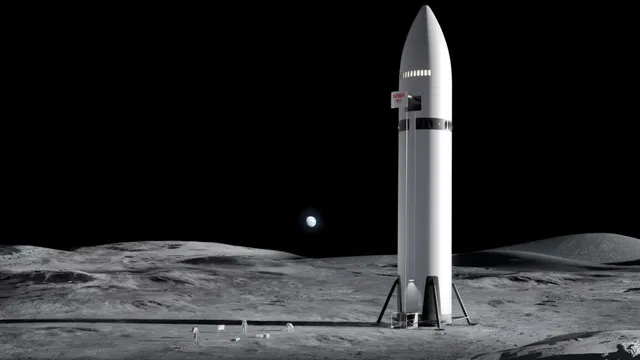
In the United States on March 10, 2026, NASA's inspector general released a report analyzing its management of contracts related to the Human Landing System (HLS) development with SpaceX and Blue Origin. The report highlighted the overall effectiveness of NASA’s contract approach in controlling costs while providing valuable insights into the development of lunar landers by these companies. Despite the successful collaboration, challenges remain, notably regarding manual control functionalities in SpaceX’s Starship for lunar landings. NASA and SpaceX disagree on whether SpaceX's current plan adequately meets NASA’s requirements for astronaut manual control during landings, which is critical for safety measures. The report indicated a concerning trend regarding SpaceX’s manual control risk, suggesting that the methods proposed by SpaceX may not align with the Agency's expectations and needs for crew safety. The issue of manual control has historical significance, as astronauts in the Apollo program used backup manual controls in lunar landings. As discussions progress towards a crucial phase called Critical Design Review, the disagreement remains unresolved, leading to concerns about astronaut safety. Recently, a parallel situation arose during the design of SpaceX’s Crew Dragon spacecraft, where NASA insisted on providing astronauts with the ability to manually control the vehicle rather than relying solely on touchscreen controls, highlighting ongoing tensions regarding operational safety and design preferences between NASA and SpaceX. Meanwhile, Blue Origin's development of manual control systems for its lunar lander has not been documented yet, adding another layer of uncertainty as both companies prepare for uncrewed demonstration flights.


