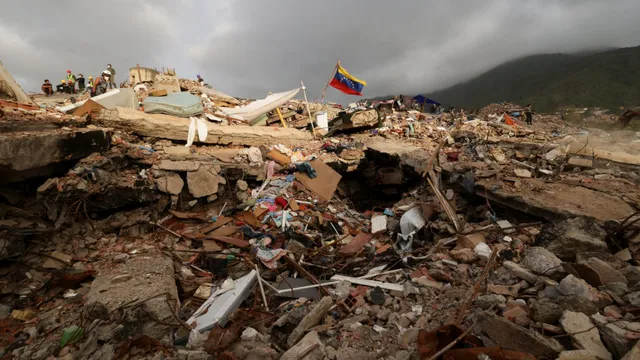
The impact of earthquakes on Venezuelan infrastructure is a critical issue that warrants thorough examination, given the country's geographical location and seismic activity. Venezuela is situated along the boundary of the South American tectonic plate, making it susceptible to earthquakes. These seismic events can lead to significant damage to infrastructure, including roads, bridges, buildings, and utilities, which are essential for the functioning of society. The vulnerability of Venezuelan infrastructure is exacerbated by factors such as inadequate construction standards, lack of maintenance, and limited resources for disaster preparedness and response. As a result, the consequences of earthquakes can be devastating, leading to loss of life, economic disruption, and long-term challenges in recovery and rebuilding efforts.
In recent years, the frequency and intensity of earthquakes in Venezuela have raised concerns among policymakers and the public. The 2018 earthquake in the northern region of Venezuela serves as a stark reminder of the potential for widespread destruction. The event caused significant damage to residential and commercial buildings, as well as critical infrastructure such as hospitals and schools. The aftermath of such earthquakes often reveals the inadequacies in the existing infrastructure, highlighting the need for improved engineering practices and stricter enforcement of building codes. Furthermore, the economic implications of these disasters can be profound, as the costs associated with repairs and recovery can strain already limited public resources.
The response to earthquakes in Venezuela has been hampered by various challenges, including political instability and economic hardship. The government has struggled to allocate sufficient funds for disaster preparedness and infrastructure improvement, which are essential for mitigating the impact of seismic events. Additionally, the lack of a comprehensive national disaster response plan has hindered effective coordination among various agencies and organizations involved in emergency management. Community awareness and preparedness programs are also lacking, which can leave populations vulnerable in the event of an earthquake. Enhancing public education on earthquake risks and response strategies is crucial for building resilience in affected communities.
To address the challenges posed by earthquakes, it is imperative for Venezuela to invest in strengthening its infrastructure and improving disaster preparedness. This includes adopting modern engineering practices that prioritize seismic resilience, conducting regular assessments of existing structures, and implementing robust building codes. Furthermore, fostering collaboration between government agencies, non-governmental organizations, and local communities can enhance the effectiveness of disaster response efforts. By taking proactive measures to mitigate the impact of earthquakes, Venezuela can better protect its infrastructure, safeguard its citizens, and promote sustainable development in the face of natural hazards.