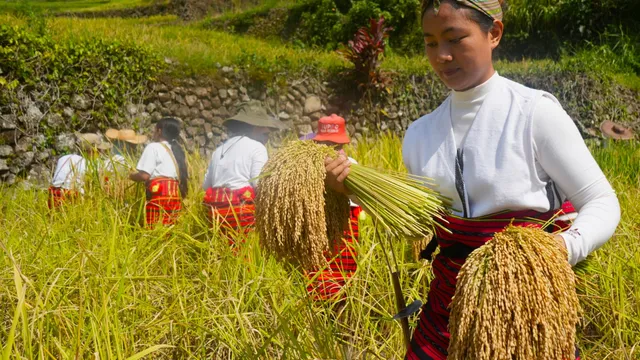
In the Philippines, the village of Batad, known for its UNESCO World Heritage rice terraces, has been grappling with the impacts of climate change. The region has experienced increasing extreme weather events, including landslides that have damaged approximately 2.2 hectares of rice fields, affecting around 150 farmers. The most recent landslide occurred in November 2025, leaving the community concerned about the future of their agricultural heritage. The Ifugao people, who have historically adapted to environmental changes through Indigenous engineering techniques, are now facing unprecedented challenges due to the frequency and severity of these weather events.
The threat of Super El Niño, a climate phenomenon that exacerbates global temperatures and leads to more extreme weather patterns, looms over the community. This situation has raised alarms among the Ifugao people, who worry about further damage to their rice terraces, which require consistent soil moisture to remain stable. According to Steve Baccay, head of Ifugao’s Provincial Agriculture and Environment Office, significant financial resources are necessary for restoration efforts, with an estimated $500,000 needed to repair the damage caused by the recent landslide.
Despite the challenges, the Ifugao people continue to honor their ancestors and their commitment to preserving the rice terraces through cultural practices, such as the annual rice harvest festival. This festival serves as a reminder of their sacred oath to protect their heritage for future generations. The community engages in rituals, including offerings to their ancestors, to seek blessings for a bountiful harvest. However, the increasing frequency of landslides and other extreme weather events poses a serious threat to these traditions and the agricultural practices that sustain them.
The situation in Batad reflects a broader trend, as 80 percent of UNESCO World Heritage Sites worldwide are facing climate-induced stress. The need for national intervention has become increasingly urgent, as local efforts alone may not suffice to combat the impacts of climate change. The Ifugao people's resilience and traditional knowledge are vital, but without adequate support and resources, the future of the rice terraces and the livelihoods of the farmers who depend on them remain uncertain.