
environment
tragic
catastrophic

Tornado kills two and devastates homes in northern Texas

Apr 27, 2026, 10:25 AM40
(Update: Apr 29, 2026, 1:44 PM)
state of the United States of America

Tornado kills two and devastates homes in northern Texas

  • A tornado in northern Texas caused significant destruction, resulting in at least two fatalities and displacing numerous families.
  • Severe weather warnings have been issued for parts of Kansas, Oklahoma, and Missouri because of potential tornadoes.
  • The severe weather events have highlighted the importance of community preparedness in facing unpredictable storms.
Share opinion
Tip: Add insight, not just a reaction
4

Story

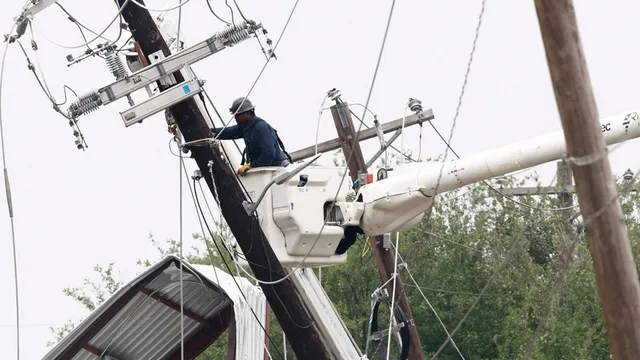
In northern Texas, a tornado-producing thunderstorm occurred on Saturday night, resulting in significant loss of life and property. The tornado struck the town of Runaway Bay and has been confirmed as an EF-2 tornado with peak winds reaching 135 mph. Authorities announced that the storm left at least two people dead, significantly affecting the local community as around 20 families lost their homes. Emergency responders have encountered challenges in accessing damaged areas, as blocked roadways and downed utilities hindered efforts. Reports of severe damage were also confirmed in the nearby town of Springtown where one additional death occurred. The National Weather Service has warned the public in the surrounding areas of Kansas, Oklahoma, and Missouri to prepare for tornadoes and severe storms following this incident. Tornado watch alerts have been placed across numerous counties in these states as conditions remain ripe for severe weather. A wide swath of counties, stretching from central to southwest Missouri, is subject to potential tornado warnings. Residents are urged to stay vigilant as the severe storm watch is expected to remain in effect until early Monday morning. As the situation unfolds, there are ongoing concerns about the aftermath and future weather conditions. The immediate response includes focusing on clearing debris to provide medical assistance to those affected by the storms. Moreover, the National Weather Service has highlighted the importance of identifying safe rooms and having emergency plans in place due to the unpredictability of severe weather events. The South Central region, especially Missouri, is projected to face heavy rainfall and severe weather in the coming days, which could complicate recovery efforts. Looking ahead, meteorologists have indicated that while Texas is dealing with the devastation from the weekend's events, neighboring states could also soon experience similar weather patterns. The NWS is closely monitoring the situation and advises residents to keep informed through local news and weather channels as further precautions may be needed in light of anticipated thunderstorms. The potential for additional tornadoes highlights the need for robust community preparedness and response measures in the face of severe weather challenges.

Context

The history of tornado outbreaks in Texas is a chronicle of significant meteorological events that have shaped the state's landscape and safety protocols. Tornadoes are more common in Texas than in any other state in the United States. The peak season for tornadoes in Texas generally occurs in the spring months, particularly from April to June, when conditions are most favorable for the formation of these violent storms. The state's geography, with its flat plains and warm, moist air from the Gulf of Mexico meeting colder air from the north, creates an ideal environment for tornado development. Notably, the most severe outbreaks have led to devastating consequences for communities, prompting advancements in warning systems and emergency preparedness plans designed to minimize harm to residents in affected areas. Some of the most notable tornado outbreaks in Texas occurred during the 20th century, including the devastating outbreak of May 1930, which resulted in over 100 tornadoes across the state in a single day, causing significant damage and fatalities. Another instance is the 1970 Lubbock tornado, which struck the city with winds exceeding 200 mph, resulting in destruction across a wide area. These events have spurred researchers to examine tornado patterns and develop better forecasting methods, emphasizing the importance of meteorological science in preparing for such natural disasters. Recent advancements in Doppler radar technology and satellite imagery have revolutionized how forecasters predict tornado formation and path, allowing for more timely alerts and more effective public safety measures. In the modern context, tornado outbreaks in Texas continue to pose significant risks, as evidenced by notable occurrences in recent years. For instance, the tornado outbreak on April 22, 2020, led to a series of tornadoes that impacted multiple regions in Texas. The rise in severe weather events has raised discussions regarding climate change and its potential influence on the frequency and intensity of tornadoes in the future. State authorities continue to invest in broader public education initiatives and community preparedness programs to heighten awareness about tornado safety. While the history of tornado outbreaks in Texas is marked by tragedy, it has also been a catalyst for progress in disaster management and recovery efforts. As severe weather becomes an increasing challenge due to climate variability, the lessons learned from past tornado outbreaks serve as a powerful reminder of the need for vigilance and preparedness. Texas's persistent encounters with tornadoes have paved the way for innovation in forecasting technology and emergency response, ultimately contributing to increased safety for its residents.

2026 All rights reserved
