

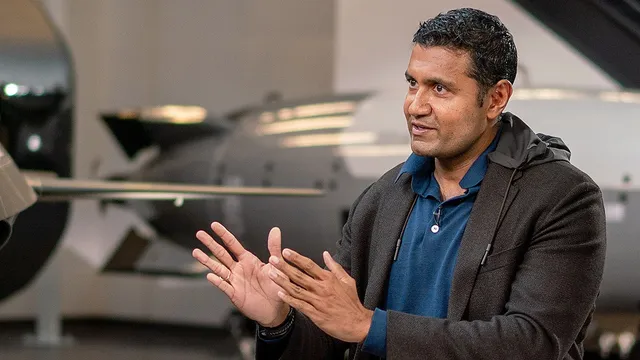
AI technology enables rapid military strikes during the Iran conflict
AI technology enables rapid military strikes during the Iran conflict
- AI-powered systems allowed for rapid planning and execution during recent military operations.
- Sankar pointed to previous conflicts highlighting improvements in precision and decreased collateral damage.
- The collaborative partnership between humans and AI enables faster, more effective military actions.
Story
The ongoing advancements in artificial intelligence (AI) technology have been significantly changing the landscape of modern warfare, with the United States and its allies leveraging these tools for military operations. During a recent conflict involving Iran, AI-powered systems were utilized effectively, claiming to have facilitated 2,000 strikes within a mere 48 hours. Palantir's Chief Technology Officer, Shyam Sankar, highlighted the stark contrast to previous conflicts where such rapid planning and execution of military operations were not possible. By employing sophisticated AI systems, military planners could conduct numerous iterations of operational strategies quickly, resulting in a higher rate of precision and efficacy during strikes. In discussing operational improvements, Sankar emphasized how advanced technology allows military units to develop, implement, and refine operations far more swiftly than ever before. According to him, this has led to a more refined and effective military action — achieving operational objectives with greater speed and accuracy. The technology is portrayed as a vital asset in reducing collateral damage, showcasing its importance as a deterrent during military engagements. Despite the impressive technological capabilities, concerns have arisen regarding the potentially tragic consequences of military operations enabled by such technologies, particularly following an incident where a strike reportedly hit an Iranian girls' school, resulting in civilian casualties. Sankar referenced historical data indicating that earlier conflicts had significantly lower precision rates, attributing advancements in technology to a decrease in collateral damage. This situation raises ongoing discussions about the balance between expedited military operations and the ethical considerations surrounding civilian safety during such actions. In the context of these advancements, Sankar noted that while AI can significantly enhance military planning and decision-making, the ultimate authority and judgment in combat situations remain in human hands. He elaborated on this perspective by comparing the relationship between AI technology and military personnel to a collaborative partnership, akin to a symbiotic relationship. This model emphasizes that AI serves as an enhanced tool for service members, combining human intuition with technological strength to execute more efficient military operations.
Context
The impact of artificial intelligence (AI) on modern warfare is profound and multifaceted, shaping the strategies and tactics deployed by military forces around the globe. As technology continues to advance, AI is increasingly integrated into various aspects of military operations, from intelligence gathering and analysis to weapon systems and autonomous vehicles. This transformation presents both opportunities and challenges, as nations strive to leverage AI for enhanced effectiveness while grappling with ethical and operational implications. In the realm of intelligence, AI systems can process vast amounts of data quickly and accurately, identifying patterns and providing insights that human analysts may overlook. This capability improves situational awareness and decision-making on the battlefield, allowing military leaders to respond more effectively to emerging threats. Furthermore, predictive analytics powered by AI can enhance forecasting abilities, enabling militaries to anticipate enemy movements and optimize resource allocation. However, the reliance on AI for intelligence also raises concerns about the potential for misuse, such as in the context of surveillance or the spread of misinformation. The integration of AI into weapon systems marks another significant shift in modern warfare. Autonomous weapons, often referred to as "killer robots," are designed to operate without direct human intervention, raising ethical questions about accountability and the potential for unintended consequences. While these systems can enhance precision and reduce human casualties in certain scenarios, their deployment also raises risks of escalation and autonomous decision-making leading to catastrophic outcomes. As various nations develop and refine their AI-driven weaponry, there is an urgent need for international dialogue and regulation to mitigate the risks associated with these technologies. In addition to the direct applications of AI in combat, its strategic implications for military doctrine and national security are considerable. Nations that successfully harness AI technologies could gain significant advantages over their adversaries, prompting a new arms race in AI-driven military capabilities. This dynamic necessitates a reevaluation of defense strategies and partnerships, as older paradigms may become obsolete in the face of rapid technological advancement. Ultimately, the responsible integration of AI into modern warfare requires careful consideration of ethical standards, regulatory frameworks, and international cooperation to ensure that these powerful tools are utilized in ways that promote security and stability rather than conflict.


