

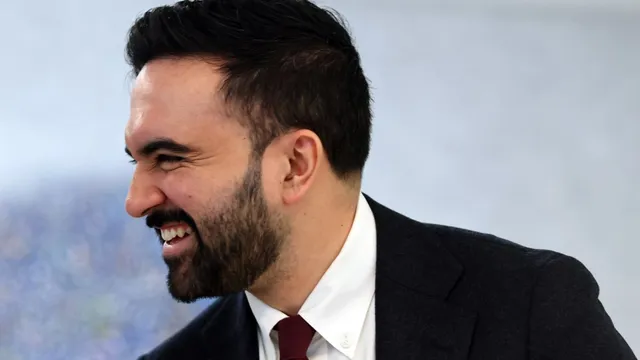
Mayor Mamdani strengthens Jewish-Muslim partnerships in New York
Mayor Mamdani strengthens Jewish-Muslim partnerships in New York
- In the aftermath of the September 11 attacks in 2001, faith leaders in New York City united to promote shared values against hate.
- Mayor Mamdani's election has rekindled hope among Muslim New Yorkers for strengthened cooperation with Jewish communities.
- The ongoing interfaith initiatives highlight the deep-rooted alliances in civil rights advocacy between Jewish and Muslim Americans.
Story
After the September 11, 2001 terror attacks, religious leaders from various faiths in New York came together to counteract hate and promote shared values. In 2026, with the election of Mayor Mamdani, many Muslim residents viewed his victory as a significant and historic moment, reviving hopes for improved Jewish-Muslim relations. Over the past decade, interfaith initiatives have emerged across the United States, exemplified by synagogues welcoming Muslim youth groups and congregations volunteering together. This cooperation highlights a longstanding alliance between Jewish and Muslim Americans in the defense of civil rights, showcasing a commitment to justice and dignified treatment for all religious minorities. Jewish leaders actively participated in protests and legal advocacy against Islamophobia, reinforcing Jewish-Muslim solidarity against bigotry. Interfaith councils have been crucial in aligning strategies to combat antisemitism and anti-Muslim discrimination, emphasizing their mutual commitment to civil rights. Additionally, humanitarian efforts by Jewish organizations have provided significant aid to Muslim communities in crisis, reflecting a shared responsibility. For instance, U.S. Jewish groups played a vital role in providing relief after the devastating 2005 earthquake in Pakistan, mobilizing resources to assist millions in need. Today's young Muslim and Jewish Americans are poised to inherit a legacy marked by partnership rather than division, which underscores the importance of leadership that recognizes the interconnectedness of civil rights struggles domestically and peace initiatives abroad. Mayor Mamdani's leadership offers a prospective turning point for New Yorkers, aiming to solidify these alliances in a city where diverse communities can thrive together. The rising bonds between Jewish and Muslim groups in New York are not just local phenomena but have the potential to influence broader relationships, including those between Arab nations and Israel as they seek partnerships and peaceful coexistence. The lesson from this coalition-building is clear: collaboration can serve as a powerful model for other communities worldwide, demonstrating that unity is far more beneficial than separation, especially in the face of adversity.
Context
The history of Jewish-Muslim partnerships in New York is rich and multifaceted, reflecting the complexities of urban life and the shared experiences of these two communities. Both groups have faced challenges such as discrimination and social exclusion, which have often brought them together in solidarity. Throughout the 20th century, Jewish and Muslim communities in New York established collaborations on various social justice initiatives, community-building activities, and interfaith dialogues. Their shared concerns over civil rights, social equality, and community prosperity have fostered relationships that have endured through changing socio-political landscapes. In the post-World War II era, the influx of Jewish immigrants and Muslim arrivals from diverse backgrounds catalyzed the emergence of partnerships. Jewish organizations, well-established in the fight for civil rights, often supported Muslim communities in their struggles against discrimination. For instance, during the civil rights movement of the 1960s, Jewish activists stood alongside Muslim allies, advocating for the rights of marginalized communities. This alliance was characterized by mutual respect and shared goals, as both groups recognized the importance of solidarity in the face of adversity. In recent decades, Jewish-Muslim partnerships in New York have expanded in response to rising Islamophobia and anti-Semitism. Organizations such as the New York Jewish Agenda and the Muslim Community Network have worked collaboratively to address hate crimes and promote tolerance. Public events, educational programs, and interfaith gatherings have been instrumental in building bridges between the communities, encouraging understanding and dismantling stereotypes. Such initiatives highlight the importance of civic engagement and the role of both groups in advocating for a more inclusive society. The evolving dynamics of Jewish-Muslim partnerships in New York serve as a testament to the power of collaboration across cultural and religious divides. Despite instances of conflict nationally, local partnerships have often thrived, demonstrating resilience and shared humanity. As both communities continue to navigate contemporary issues such as immigration reform, social justice, and political representation, their historical partnerships will likely play a crucial role in shaping a united front against intolerance and fostering a cohesive society.


