

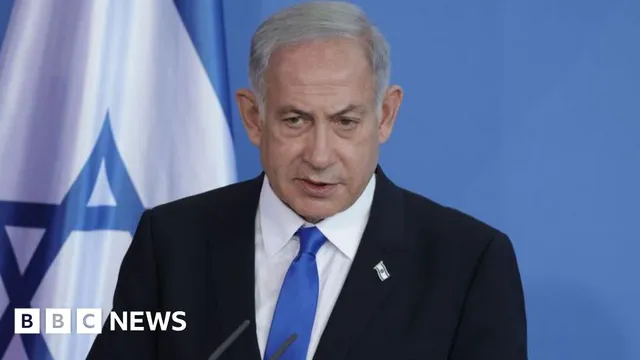
UAE denies Netanyahu's alleged secret visit during Iran war
UAE denies Netanyahu's alleged secret visit during Iran war
- Reports emerged of a secret visit by Israeli Prime Minister Benjamin Netanyahu to the UAE during the conflict with Iran, aimed at enhancing bilateral relations.
- The UAE foreign ministry categorically denied these claims, asserting that their diplomatic ties are based on official agreements and not on unofficial visits.
- Consequently, regional tensions continue to escalate as Iran maintains aggressive military posturing against the UAE, highlighting the complexity of Middle Eastern diplomatic relationships.
Story
In recent weeks, reports surfaced regarding an alleged secret visit by Israeli Prime Minister Benjamin Netanyahu to the United Arab Emirates during an ongoing conflict involving Iran. His office claimed that the visit was to strengthen ties between the two nations, which normalized relations through the Abraham Accords in 2020. The Abu Dhabi Ministry of Foreign Affairs promptly denied the claims, stating that such meetings are not based on unofficial arrangements. Tensions have been heightened due to Iran's military actions, including drone and missile attacks on UAE targets, which responded to Israel's support for the U.S. military effort against Iran. The UAE emphasized that its relationships are public and operate under the framework of the Abraham Accords. This reflects a shift in diplomatic relations in the region amidst security threats from Iran. Israeli defense assistance to the UAE, particularly the deployment of the Iron Dome defense system, signifies deepening military cooperation, crucial amid rising regional tensions. The UAE's Ministry of Defense reported that their air defense systems engaged numerous threats since the start of the conflict, confirming the gravity of the situation and the ongoing security posture. Iran's ongoing offensive actions have included missile strikes targeting UAE locations, which have raised alarm bells within the Gulf state. Iran condemned the burgeoning relationship between Israel and the UAE, labeling any collaboration with Israel as “unforgivable.” Such sentiments have intensified the political discourse in Iran, leading to statements from Iranian officials reinforcing their stance against perceived collusion with the West. The geopolitical environment continues to be complex, with the U.S. and Israel facing off against Iran while trying to maintain regional stability through agreements like the Abraham Accords. As the situation develops, both nations continue to navigate these sensitive relations carefully. Avoiding conflict while bolstering defenses highlights a strategic balancing act for the UAE, particularly with Iran's threats looming large. The aspirations for collaboration between Israel and Gulf nations will need to balance significant regional tensions, reflecting the necessity of diplomatic and military strategies to secure a peaceful coexistence in an increasingly volatile Middle Eastern landscape.
Context
The Abraham Accords refer to a series of normalization agreements between Israel and several Arab nations, which gained momentum in August and September 2020. These historic agreements marked a significant shift in Middle Eastern geopolitics, as they established diplomatic relations between Israel and countries such as the United Arab Emirates (UAE) and Bahrain. The agreements were facilitated by the United States, particularly under the administration of then-President Donald Trump, who viewed them as a major achievement in foreign policy that could lead to a broader peace in the region. The Accords are considered part of a larger trend towards more open relations between Israel and its Arab neighbors, reshaping alliances that have historically been defined by longstanding conflicts and grievances. This breakthrough has been seen as a result of a variety of factors, including mutual concerns over Iran's influence, the rising importance of economic collaboration, and the shifting priorities of Arab states regarding the Palestinian issue. The UAE was the first country to establish formal ties with Israel since Egypt in 1979 and Jordan in 1994, heralding this new era of diplomatic engagement. Following the UAE’s lead, Bahrain announced its commitment to normalize relations with Israel, also signing the Abraham Accords. This was quickly followed by Sudan and Morocco, both of which moved towards normalization in exchange for U.S. concessions, including political recognition and economic aid. The agreements have opened up opportunities for trade, tourism, and technological cooperation between Israel and its new partners, highlighting a regional pivot that emphasizes economic interests over ideological allegiances. Notably, these countries have initiated various agreements in sectors such as aviation, energy, and cybersecurity, signifying their mutual interests in fostering a collaborative regional framework. The Abraham Accords have received a mixed response from the international community. Proponents argue that they represent a breakthrough that can lead to more peace and stability in the Middle East, while critics contend that they sidestep the complexities of the Israeli-Palestinian conflict. Palestinian leaders have expressed disappointment, viewing the normalization efforts as a betrayal of the Arab consensus that peace with Israel should be contingent upon addressing Palestinian rights and statehood aspirations. The accords have also sparked debates over the future of Arab solidarity regarding Palestinian issues and raised questions about the long-term implications for regional authority and diplomacy. As of May 2026, the implications of the Abraham Accords continue to evolve amid shifting regional dynamics and geopolitical interests. Ongoing dialogues and potential expansions of partnerships signify a renewed focus on pragmatic alliances that prioritize stability and economic growth. However, the success of these agreements will ultimately depend on addressing the underlying issues of the Israeli-Palestinian conflict and maintaining a balance of power in the Middle East. The Accords represent not just a diplomatic milestone, but also a complex interplay of national interests, regional security calculations, and international diplomacy that will shape the future landscape of the region.


