

Trump faces record gas price disapproval rating from Americans
Trump faces record gas price disapproval rating from Americans
- The U.S. is facing rising oil prices due to the ongoing war in Iran, causing widespread concern about fuel shortages.
- Polling data reveals that President Trump has a disapproval rating of 79 percent on gas prices, which includes discontent from a portion of Republicans.
- Analysts predict that without addressing these issues, gas prices could reach record highs this summer.
Story
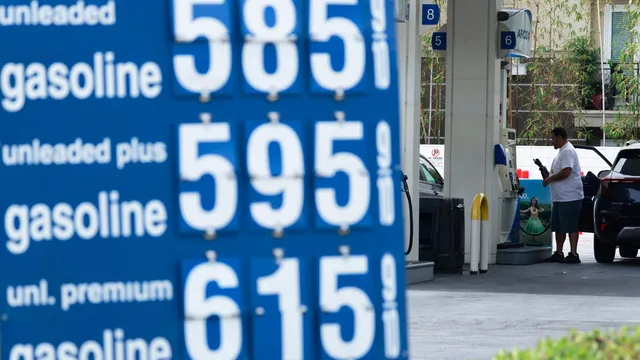
The United States is currently experiencing significant challenges in its energy market due to the ongoing war in Iran, which has led to rising oil prices and fears of a critical fuel shortage. Polling data indicates that a record 79 percent of Americans disapprove of President Donald Trump's handling of gas prices, a stark reflection of the public's dissatisfaction with the economic fallout from rising fuel costs. This dissatisfaction spans political lines, with 52 percent of Republicans also expressing disapproval, indicating that the economic issue has permeated even within the president's base. As the war in Iran continues, analysts warn of dwindling U.S. oil inventories that could threaten to push gas prices as high as $7 by the upcoming Independence Day holiday. Current data from the U.S. Energy Information Administration reveals that oil inventories have sharply declined, raising concerns about the country's ability to meet summer travel demands. The national average price for a gallon of gasoline has recently crossed $4.50, leading to increased anxiety about further price hikes if the situation does not improve soon. Moreover, the situation has prompted actions from the Trump administration, including a proposal to suspend the federal gas tax in an attempt to alleviate the financial burden on consumers. Despite these efforts, the prevailing sentiment among voters indicates that many still place the responsibility for rising prices directly on Trump's policies, with surveys showing he faces blame from 77 percent of voters overall and over half of Republican respondents. The political ramifications of these perceptions could have substantial implications as the 2024 electoral cycle approaches. In light of increasing fuel costs, which are considered a major concern among a majority of the populace, there is a growing chorus of calls for quick resolutions to the issues plaguing domestic and global oil supply chains. Experts emphasize that immediate solutions are vital for mitigating an otherwise dire situation, as the summer driving season approaches, which typically brings increased fuel consumption across the nation. Without significant changes to the current dynamics affecting oil supply, American consumers are poised to continue facing elevated gas prices.
Context
The impact of the Iran war on global oil prices has been significant and multifaceted, reflecting the complexities of geopolitical tensions and market dynamics. As one of the world's leading oil producers, Iran's involvement in conflict can disrupt supply chains and initiate fluctuations in oil prices. Political uncertainty, military actions, and sanctions have historically affected the region’s stability, leading to concerns about oil supply security. Such disruptions often prompt traders and investors to react quickly, causing immediate price surges as the perceived risk increases. The global oil market is particularly sensitive to any signs of instability in oil-rich regions, with price movements typically surging in response to escalating tensions or warfare in Iran or its neighboring countries. Furthermore, the influence of Iran on global oil markets is not isolated; it is interconnected with the operations of OPEC and the pricing strategies of other oil-exporting nations. Strategic decisions made by OPEC in response to the conflict can further exacerbate price volatility. When conflicts arise, OPEC members may adjust their production levels in anticipation of changes in demand due to potential supply shortages. As a result, oil prices can soar as the market reflects not only the immediate challenges posed by the Iran war but also the broader implications for global supply and demand. Beyond immediate price changes, the longer-term implications of conflict in Iran can lead to structural shifts in the oil market. Countries reliant on Iranian oil may seek alternative sources to mitigate the impact of sanctions or disruptions, encouraging diversification of energy sources and increased investment in renewable energy technologies. Such shifts can reshape long-term trends in global oil consumption patterns, especially as the world gradually transitions to more sustainable energy solutions. This transition also tends to affect oil prices, as demand dynamics shift with increasing investment in alternative energy. In summary, the effect of the Iran war on global oil prices presents a complex interplay of immediate market responses, strategic adjustments by oil-producing nations, and long-term shifts in energy consumption. Stakeholders in the oil market, including producers, investors, and consumers, must navigate these challenges by staying informed on geopolitical developments and adapting to evolving market conditions. As the international community continues to grapple with the implications of conflict in Iran, monitoring global oil price trends will remain crucial for understanding the broader economic ramifications.


