
politics
controversial
impactful

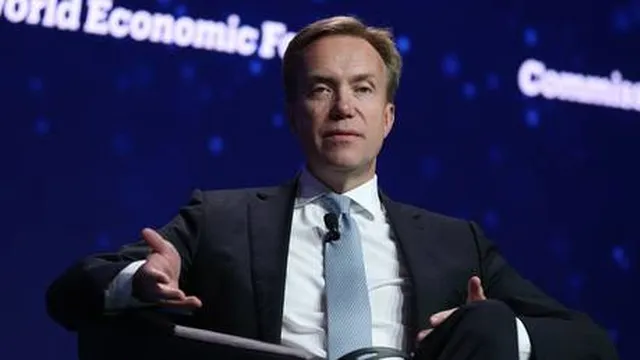
Borge Brende requests investigation into ties with Jeffrey Epstein

Feb 6, 2026, 2:48 AM30
(Update: Feb 6, 2026, 8:14 PM)
Croatian-Austrian pianist
Swiss nonprofit foundation
painter from the Northern Netherlands (1659-1722)

Borge Brende requests investigation into ties with Jeffrey Epstein

  • The World Economic Forum has initiated an independent investigation into CEO Borge Brende's interactions with Jeffrey Epstein.
  • Brende attended three dinners with Epstein and communicated via email and text, all of which prompted the scrutiny.
  • The WEF's decision signifies its commitment to transparency and the review process initiated by Brende himself.
Share your opinion
3

Story

In February 2023, the World Economic Forum (WEF), located in Switzerland, initiated an independent investigation concerning its CEO, Borge Brende. This decision followed recent disclosures from the US Justice Department that revealed Brende had engaged in multiple business dinners with Jeffrey Epstein, the infamous financier convicted as a sex offender. The investigation was prompted by various communications, including emails and text messages between Brende and Epstein. Brende, who has held the CEO position since 2017, fully supported the review, asserting that he had requested it himself after becoming aware of the implications of their interactions. Brende clarified that he met Epstein during three dinners held in 2018 and 2019, which he was invited to by Terje Rod-Larsen, a former deputy prime minister of Norway. He expressed regret for not having conducted a thorough vetting of Epstein’s background before accepting the invitations. He emphasized that, had he been aware of Epstein's criminal past, he would have declined these invitations and any form of communication. The investigation underscores WEF's commitment to maintaining transparency as the organization navigates the scrutiny resulting from Epstein's past and connections with influential figures at the annual Davos summit. The revelations regarding Brende's relationship with Epstein arise in the wake of the Justice Department releasing extensive material related to Epstein's case, including over three million pages of documents that encompass emails, videos, and images. This data has reignited public and media interest in Epstein’s network, which included numerous political, business, and tech figures who frequently attend the Davos Forum. Among those connected to Epstein were high-profile individuals such as former Israeli Prime Minister Ehud Barak, former U.S. Treasury Secretary Larry Summers, and tech leaders like Elon Musk and Peter Thiel. As the investigation proceeds, Borge Brende will continue in his role at the WEF but will not be involved in the review process. The outcome of this inquiry may affect not only his standing within the WEF but could also alter public perception surrounding high-profile associations with Epstein. Brende's case is part of a broader examination of the social and professional circles that interacted with Epstein, as the World Economic Forum strives to assert its integrity in the wake of increasing scrutiny over such affiliations.

Context

The World Economic Forum (WEF) has emerged as a pivotal platform for global leaders to engage in discussions surrounding economic development, sustainability, and governance in the context of increasing demands for transparency. Established in 1971, this organization convenes annual meetings, most notably in Davos, where heads of state, business executives, and civil society leaders gather to share insights and forge collaborations aimed at addressing the world’s pressing issues. The emphasis on transparency has become increasingly significant as the interconnectedness of global economies compels stakeholders to uphold accountability and foster trust in public and private institutions. The forum advocates for transparency not just as a good practice, but as a strategic necessity in mitigating risks and ensuring robust economic governance, thereby reinforcing democratic ideals and development initiatives worldwide. In recent years, the WEF has actively championed initiatives designed to enhance transparency across various sectors, particularly in finance and governance. This has included the promotion of open data policies and the adoption of technological innovations such as blockchain, which promises to improve the traceability and integrity of transactions. These measures aim to reduce corruption, provide stakeholders with accurate information, and enhance the overall accountability of institutions. The WEF emphasizes that transparency is key to unlocking economic potential and fostering social equity, enabling citizens to participate in decision-making processes and hold their leaders accountable, thereby reinforcing the social contract between governments and their constituents. The WEF's efforts have catalyzed a global conversation around transparency, leading to the formation of various coalitions and partnerships committed to improving standards and practices. These collaborative efforts extend beyond governmental frameworks, incorporating the private sector and civil society to ensure a comprehensive approach to transparency. For instance, multi-stakeholder initiatives have emerged to tackle issues such as supply chain transparency, where the focus is on ethical sourcing and corporate responsibility. By harnessing the collective strength of diverse groups, the WEF aims to create an inclusive dialogue that addresses the nuances of transparency in different contexts, from local communities to multinational corporations. Looking ahead, the challenges associated with transparency will continue to evolve amid technological advancements and shifting political landscapes. The WEF recognizes the importance of maintaining momentum in advocating for greater openness and accountability, especially in an era where misinformation can easily proliferate. As economies recover from global disruptions such as the COVID-19 pandemic, the emphasis on transparent practices will be essential for building resilience and trust among stakeholders. The organization is poised to play a critical role in shaping the discourse on transparency, ensuring that it remains at the forefront of global economic policies and practices to advance a more equitable and sustainable future.

2026 All rights reserved
