

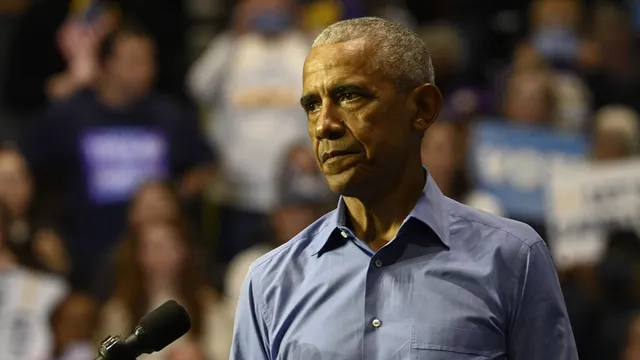
Oligarchy threatens democracy as media control tightens
Oligarchy threatens democracy as media control tightens
- Consolidation of media has led to increased influence over political candidates and information consumption.
- Autonomy of institutions has weakened due to the rise of unilateral executive actions.
- A legitimate system is essential for social cohesion, which is eroding as trust diminishes.
Story
In recent years, the expansion of presidential authority coincided with significant consolidation in the media landscape, raising alarms reminiscent of historical governance failures. The notion articulated by Cicero—that adherence to legal processes safeguards freedom—has become increasingly pertinent as a small elite began treating governmental institutions as mere inconveniences. The warning is illustrated by the unchecked expansion of executive actions in the United States, where reliance on unilateral decisions has undermined long-standing democratic principles established during the Enlightenment. Concurrently, growing oligarchic tendencies have permeated political landscapes as wealthy individuals and entities exert unprecedented influence through funding political campaigns with the expectation of policy concessions. Both citizens and media have witnessed the erosion of institutional integrity amidst a backdrop of diluting democratic processes. The consequences of this trend are visible in the broader societal fabric where social cohesion wanes as public trust in the system diminishes. The challenges posed by the concentration of power and information cannot be overstated. Similar historical contexts show that periods of oligarchy precede catastrophic governance failures, undermining hard-won rights and privileges. Citizens, particularly those from working-class backgrounds, are left feeling alienated as they seek legitimacy in a system that increasingly appears skewed in favor of the elite, rather than equitable for all. In parallel, notable brands like Intel and Scion exemplify how damaging product-focused decisions can lead to brand erosion. As core brand identities became secondary to short-term product strategies, vital distinctions were lost, demonstrating the fragility of brand meaning. Both cases illustrate that stewardship is crucial; without it, brands risk falling into obsolescence as strategies fail to reinforce foundational principles. Consequently, the macro-level trends in governance and corporate strategy reveal the intricate balance necessary to ensure both legitimacy in leadership and clarity in brand messaging.
Context
policy impact data analysis data strategic impact shift trends policy shift global insight policy trends trends analysis shift economic data insight shift impact policy economic policy policy policy insight strategic trends impact economic shift trends policy insight impact data global trends analysis global policy trends economic geopolitical trends data global insight trends impact geopolitical insight market geopolitical strategic shift data analysis strategic trends shift policy economic global impact policy analysis geopolitical trends economic impact insight economic data economic market policy...


