
FBI uncovers suspected biolab linked to Chinese fugitive in Las Vegas
- Authorities discovered a suspected biolab in a Las Vegas home connected to Jia Bei Zhu, who is in custody for running an unauthorized lab in California.
- The property manager Ori Solomon was arrested for handling hazardous waste, while individuals exposed to materials reported serious illness.
- The investigation highlights serious concerns over biosecurity and the regulation of biological laboratories in the U.S.
Story
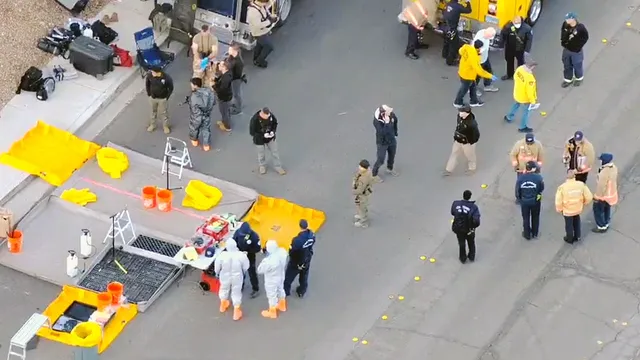
In Las Vegas, authorities uncovered a suspected biological laboratory inside a home, prompting immediate investigation by the FBI and Las Vegas Metropolitan Police Department. The search began on a Saturday after a tip-off suggested hazardous materials were being stored at the site. Upon investigation, officers found evidence including vials of unknown liquids and equipment, all potentially linked to illegal medical research. The home is connected to Jia Bei Zhu, who faces federal charges for running an unauthorized biolab in California. Jia Bei Zhu has been in custody since 2023, facing allegations related to manufacturing unapproved medical devices and falsifying documentation. He has denied involvement in any Las Vegas activities. The property manager, Ori Solomon, was arrested during the search, accused of improperly handling hazardous waste. There are suspicions that the illegal operations in both biolabs in California and Nevada are interconnected. During the investigation, individuals associated with the residence reported becoming seriously ill, raising concerns about public safety. However, officials stated there was no immediate threat to the general public. As investigations unfold, the FBI is analyzing biological materials found at the site, and the authorities have expanded their search to other addresses related to this case, looking for any potential connections. The ongoing situation has drawn significant media attention and raised questions about biosecurity and the regulation of biological labs. High-level officials are viewing this case seriously due to its implications regarding national security and potential links to criminal activities abroad. This investigation remains active, and any additional findings could have far-reaching consequences in the scrutiny of biolaboratories and their operations across the United States.
Context
The impact of unauthorized biolabs on public health is a growing concern in today's society. Unauthorized biolabs often operate outside the regulatory frameworks established to ensure the safety and security of biological research. These facilities may work with hazardous pathogens and genetically modified organisms without proper oversight, leading to potential risks to public health. The lack of regulation can result in inadequate safety measures and the failure to conduct necessary risk assessments, thus increasing the chances of accidental releases or misuse of biological materials. One significant concern surrounding unauthorized biolabs is the potential for the outbreak of infectious diseases. The mishandling of dangerous pathogens can lead to unintentional exposure, leading to widespread health crises. Furthermore, if these labs engage in unethical practices such as experimenting with viruses to enhance their transmissibility, it poses catastrophic risks. Historical examples illustrate how lapses in biosafety have contributed to the emergence of novel pathogens, illustrating the profound implications of operating without accountability in biolab research. In addition to the immediate health risks, unauthorized biolabs can also undermine vaccine and therapeutic development. When operating outside ethical guidelines, the research outcomes may not meet safety standards, resulting in ineffective or harmful medical solutions. The scientific community relies on transparency and peer review to ensure that research can be effectively validated and utilized in public health policy. Unauthorized labs disrupt this ecosystem, paving the way for misinformation and potentially dangerous remedies to proliferate. Moreover, the presence of unauthorized biolabs can also lead to erosion of public trust in legitimate scientific research and health systems. When incidents related to unauthorized labs occur, they can incite fear and skepticism among the general population, leading to reluctance in vaccinations and adherence to public health guidelines. As such, addressing the challenges posed by unauthorized biolabs is critical for safeguarding public health, ensuring that all biological research is carried out under stringent safeguards, clear ethical protocols, and with the oversight of appropriate regulatory bodies.
