

U.S. denies targeting school as Iranian casualties rise
U.S. denies targeting school as Iranian casualties rise
- A reported airstrike in Iran resulted in numerous fatalities among students and teachers at a school, drawing international condemnation.
- U.S. officials have denied targeting civilian sites and are investigating the incident.
- The airstrike highlights ongoing debates about the ethics and potential war crimes associated with targeting civilian infrastructure in military operations.
Story
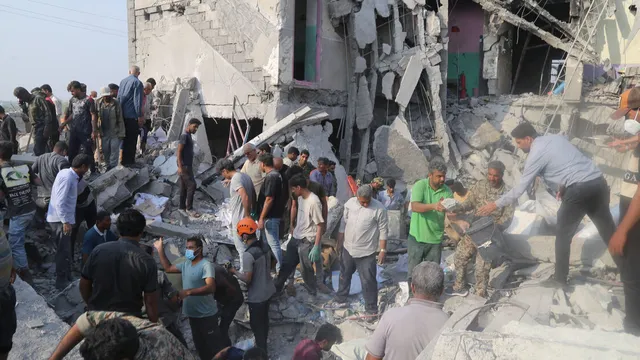
In Iran, over the weekend, a devastating airstrike reportedly killed at least 186 students and teachers at a girls' elementary school in Minab, marking a critical incident amid escalating U.S.-Israeli military actions against Iran. The incident occurred on the first day of joint operations initiated by the U.S., which began targeting Iranian military assets and leadership positions, in response to perceived threats. While Iranian authorities attributed blame for the airstrike to the U.S. and Israel, both nations have denied responsibility, insisting that they do not target civilian structures. The situation has prompted widespread condemnation calling for investigations into the attack. The Iranian education ministry has confirmed the high number of casualties, including 168 victims from the targeted school, Shajare Tayyiba Elementary. This event has intensified scrutiny and discussions surrounding civilian harm in warfare, drawing condemnation from organizations like UNESCO and various human rights groups. They argue that the attack could constitute a war crime due to its alleged deliberate targeting of a civilian institution. The discussions underline the growing concerns about civilian safety in armed conflicts and the ethics of military operations that impact non-combatants. At the U.N., officials emphasized that international humanitarian law mandates the protection of civilian facilities, including schools. The UN's High Commissioner for Human Rights called for a thorough and transparent investigation to determine whether war crimes have been committed in this attack. Concurrently, various diplomatic responses have emerged, some accusations suggesting connections to former U.S. financier Jeffrey Epstein and allegations of satanic rituals, indicating a wider array of reactions to the tragedy in Minab. As the military operations continue and the conflict evolves, tensions in the region remain high. U.S. Defense Secretary Pete Hegseth confirmed that investigations are being carried out regarding the airstrike, underscoring the need to uphold international laws and conduct military operations responsibly. The complex dynamics of military engagement have sparked intense debates about the collateral effects on civilian life and whether the military strategies pursued are justified by their outcomes. The implications of this tragic incident may extend beyond the immediate aftermath, affecting political discourse and international relations moving forward.
Context
The history of targeting civilian structures in warfare is a complex and troubling aspect of military strategy that has evolved over centuries. This practice, often justified under the guise of strategic advantage, has caused immense suffering and ethical dilemmas. Historically, civilian structures—including homes, schools, hospitals, and places of worship—have been viewed as legitimate targets during conflicts, particularly in total war scenarios where the lines between military and civilian objectives blur. The justification for such actions often stemmed from the belief that destroying the enemy's morale and infrastructure would hasten victory, as seen in World War II bombings of cities like Dresden and Hiroshima, which aimed to dismantle the opponent's capacity to wage war by inflicting widespread devastation on its population and resources. In the 20th century, particularly during the two World Wars and the subsequent Cold War, intentional attacks on civilian structures gained prominence. The aerial bombardment campaigns illustrated a shift towards a more strategic application of targeting civilian populations to achieve psychological impacts, as military planners viewed such strategies as means to weaken enemy resolve. Events like the Blitz during World War II and the Vietnam War's bombing of Hanoi exemplified how urban centers became battlegrounds, often resulting in casualties and destruction that far exceeded military gains. The Geneva Conventions, established to protect civilian populations, emerged in response to these atrocities, articulating the principles of distinction and proportionality in warfare. However, violations of these conventions have persisted, showcasing the ongoing challenges of adhering to international humanitarian law. In contemporary conflicts, the targeting of civilian structures has taken on new forms, often exacerbated by advancements in technology. Modern warfare, with the utilization of precision-guided munitions, raises the question of whether military strategies can effectively distinguish between combatants and non-combatants. High-profile conflicts in Syria, Iraq, and Yemen have shown that the urbanization of warfare often leads to significant civilian casualties, despite the technological advances claimed to ensure accuracy. The use of fortified military positions in civilian neighborhoods complicates the ethical landscape, as armed groups sometimes use civilians as shields, increasing the risk that civilian infrastructures will be damaged or destroyed during military operations. The moral implications of targeting civilian structures in warfare continue to spark debate among scholars, policymakers, and military strategists. This ongoing discourse emphasizes the necessity for an unwavering commitment to protecting civilians and adhering to international humanitarian standards. As armed conflicts evolve, it is crucial for the international community to prioritize accountability and justice for violations of these laws, ensuring that the tragedies of the past do not repeat themselves. The challenge lies not only in the battlefield tactics employed but also in fostering a global consensus on the moral obligations that accompany warfare, promoting a humanity-centered approach that values human life above military objectives.


