

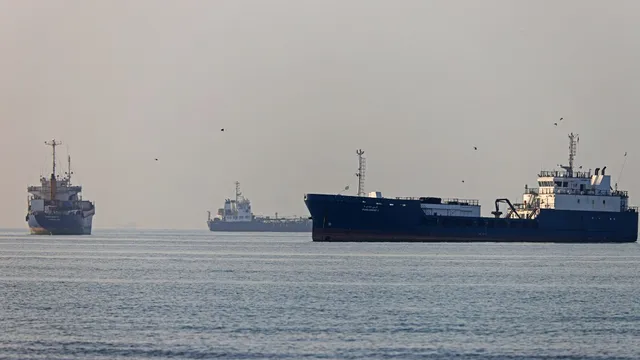
U.S. military intercepts Iranian drones threatening maritime traffic
U.S. military intercepts Iranian drones threatening maritime traffic
- On June 5, 2026, U.S. forces shot down four Iranian drones launched toward the Strait of Hormuz.
- In response, the U.S. military struck Iranian coastal surveillance radar sites to prevent further threats.
- The incident highlights the escalating tensions between the U.S. and Iran amid ongoing negotiations.
Story
On June 5, 2026, the U.S. military reported that it had shot down four Iranian one-way attack drones that were launched toward the Strait of Hormuz. This incident occurred amid rising tensions between the U.S. and Iran, as the Trump administration has been increasing pressure on Iran to negotiate a deal. Following the interception of the drones, U.S. forces conducted strikes on Iranian coastal surveillance radar sites located on Qeshm Island and in Goruk, aiming to prevent further attacks and protect regional maritime traffic. The U.S. Central Command emphasized that the drones posed an immediate threat to shipping in the area. The situation in the region has been precarious, with ongoing back-and-forth strikes between U.S. and Iranian forces. Earlier in the week, Iranian drones had caused significant damage to a passenger terminal at Kuwait's main airport, resulting in casualties and temporary closure of the airfield. Despite these escalating tensions, President Donald Trump expressed optimism about the situation with Iran, suggesting that negotiations could lead to a resolution, although he acknowledged the challenges involved. The U.S. military's actions are part of a broader strategy to enforce a blockade on Iranian ports, responding to Iran's control over a critical corridor for global oil and natural gas shipments. This blockade has contributed to rising energy prices and political challenges for the Trump administration, particularly with midterm elections approaching. The U.S. has also targeted Iran's energy sector with new sanctions, aiming to limit Iran's ability to profit from its oil exports. As the conflict continues, the fragile ceasefire between the U.S. and Iran remains at risk. Negotiators had recently reached a tentative agreement to extend the ceasefire by 60 days and initiate new discussions regarding Iran's nuclear program. However, the Iranian leadership has shown little willingness to accept the proposed changes, complicating the diplomatic landscape. The situation is further complicated by the involvement of other regional actors, including Hezbollah and Israel, which have their own interests in the ongoing conflict. The U.S. military remains vigilant and prepared to respond to any further Iranian aggression, indicating that the potential for escalation remains high.


