

Gen Z demands political change in Nepal after deadly protests
Gen Z demands political change in Nepal after deadly protests
- Last September's protests in Nepal resulted in a political crisis, forcing Prime Minister KP Sharma Oli to resign.
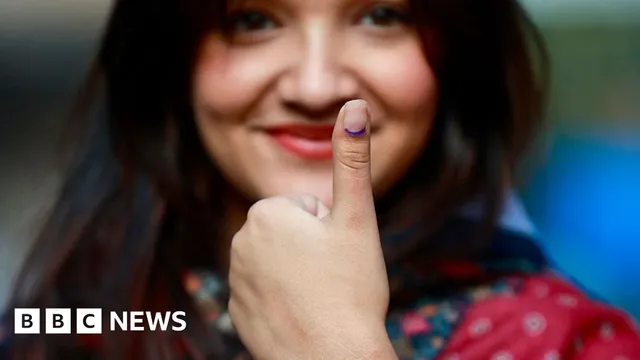
- The upcoming elections, scheduled for March 5, 2026, features nearly 19 million voters, including many first-time participants.
- Young activists and candidates are striving to transform the political landscape in Nepal following last year's deadly protests.
Story
In Nepal, a significant political upheaval originated from widespread protests by the Generation Z demographic, primarily driven by their frustration over rampant corruption and the daunting job market. The protests erupted in September, leading to violent confrontations with security forces that resulted in the deaths of 77 individuals. In response to this unrest, Prime Minister KP Sharma Oli was compelled to resign, triggering a call for elections to allow the citizens to voice their demands at the ballot box. As of March 5, 2026, nearly 19 million eligible voters, including around 800,000 first-time voters, are preparing to elect a new government, highlighting their desire for change and accountability from the political elite. This electoral contest is characterized by a competition between seasoned political figures and ambitious youth candidates eager to redefine governance in Nepal. Several candidates, including prominent youth figures and activists who emerged during last year's protests, are now contesting for leadership positions, promising to tackle the issues that ignited the protests, such as corruption and unemployment. With a crowded field of over 3,400 candidates representing 63 political parties, the elections symbolize a crucial juncture in Nepal's political landscape, as the younger generation seeks to disrupt the status quo upheld by the older political guard, which has dominated the country's politics for decades.


