

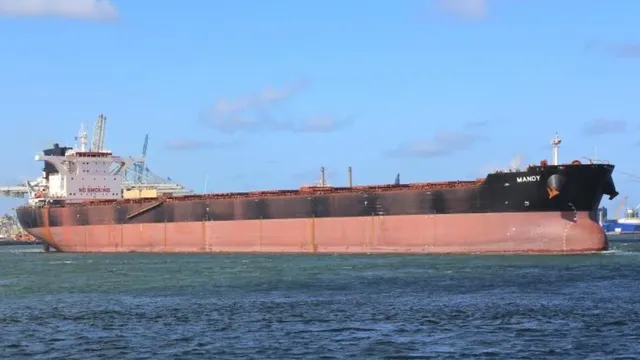
Two crew dead after Singapore-registered vessel catches fire
Two crew dead after Singapore-registered vessel catches fire
- A fire broke out in the engine room of the bulk carrier Mandy, resulting in two fatalities among the crew.
- The Maritime and Port Authority of Singapore is investigating the incident and extending condolences to the victims' families.
- The events underscore the critical need for improved safety measures and training in the shipping industry.
Story
On February 17, 2026, a fire occurred in the engine room of a Singapore-registered bulk carrier named Mandy while off the coast of China. The Maritime and Port Authority of Singapore (MPA) reported that the incident led to the tragic deaths of two Myanmar crew members, highlighting the dangers faced by seafarers in maritime operations. A third crew member was injured and subsequently evacuated to a medical facility for further treatment. The vessel was carrying a total of 25 Myanmar crew members and did not have any Singaporeans aboard at the time of the incident. The MPA confirmed that the fire, which started around 7:35 PM Singapore time, was extinguished by the crew themselves. Following the extinguishing of the flames, arrangements were made to tow the damaged vessel to Yantai Port in China for further assessment and care. Fortunately, there were no reports of pollution or environmental impact as a result of the fire, indicating that the situation was effectively managed by the crew and local authorities. In response to the incident, the MPA expressed its condolences to the families of the deceased crew members. The Authority is currently in communication with the owning company of the vessel and the relevant Chinese authorities to provide necessary assistance. The MPA is also expected to carry out a comprehensive investigation into the circumstances surrounding the fire, to better understand the chain of events that led to this tragic loss of life and to prevent similar incidents in the future. The incident raises concerns regarding crew safety and emergency procedures on ships operating in high-risk areas. Incidents like this stress the importance of rigorous safety protocols and crew training to ensure that seafarers can handle emergencies effectively and minimize risks while at sea.
Context
Seafarer safety regulations are critical to ensure the welfare of crew members aboard ships and to prevent accidents that can lead to loss of life and property. These regulations encompass a wide range of practices and guidelines designed to address various safety concerns, including working conditions, health, and emergency preparedness. By adhering to these regulations, shipping companies and crews can mitigate risks associated with maritime operations, thereby fostering a culture of safety within the maritime industry. The International Maritime Organization (IMO) plays a significant role in developing these regulations, ensuring that they are updated regularly to reflect current best practices and technological advancements. The fundamental components of seafarer safety regulations include training, equipment standards, and health assessments. Comprehensive training programs must be implemented to ensure that all crew members are familiar with safety procedures and emergency protocols. This training often includes safety drills, knowledge of personal protective equipment (PPE), and first aid training. Additionally, ships must adhere to strict guidelines regarding safety equipment, such as lifeboats, fire-fighting apparatus, and communication systems. Ensuring that these tools are in proper working order is vital for responding effectively to emergencies. Health assessments of crew members help to ascertain their fitness for duty, which is essential for maintaining a safe working environment. Regulations also emphasize the importance of reporting and addressing safety incidents. A robust reporting mechanism should be established on ships to enable crew members to report safety hazards and incidents without fear of retaliation. This promotes transparency and accountability, allowing for the identification of recurring issues and the implementation of corrective measures. Regular safety audits and inspections are essential to verify compliance with regulations and to discover potential safety shortcomings. By cultivating an environment where safety is prioritized, companies can significantly reduce the likelihood of accidents and injuries on board. In conclusion, seafarer safety regulations are indispensable for protecting the lives of those who work at sea. Their comprehensive framework encompasses training, equipment standards, health evaluations, and incident reporting, all aimed at fostering a safe maritime workplace. Continuous improvement and adherence to these regulations are essential for the maritime industry's advancement and sustainability. As the industry continues to evolve, ongoing collaboration between international bodies, shipping companies, and crew members will be vital in ensuring that safety remains a paramount focus.


