

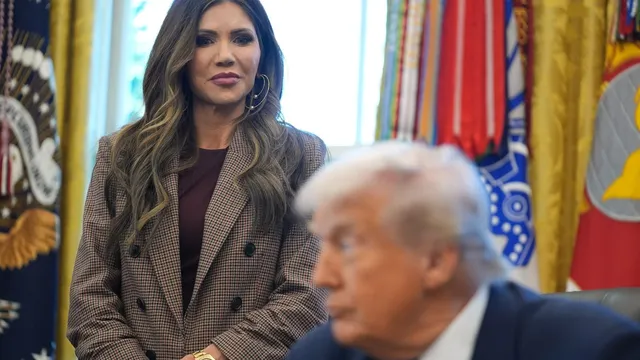
Trump avoids defending Noem after fatal shooting of nurse in Minneapolis
Trump avoids defending Noem after fatal shooting of nurse in Minneapolis
- Tensions rise in Minneapolis following two fatal shootings of U.S. citizens by federal immigration agents in January.
- Eyewitness accounts challenge the government's narrative that Alex Pretti posed a threat at the time of his shooting.
- Public dissatisfaction with the immigration policies grows, leading to increased calls for a reevaluation of ICE's approach.
Story
In the United States, tensions have escalated over immigration enforcement following two deadly encounters between federal agents and U.S. citizens in Minneapolis. The first incident occurred earlier this month when Renee Good, a protester, was shot by an Immigration and Customs Enforcement officer. Most recently, on January 24, a Border Patrol agent fatally shot Alex Pretti, a 37-year-old intensive care nurse, during a confrontation at a protest against federal immigration operations. The White House's depiction of Pretti as a threat who was armed and resisting arrest has been contradicted by eyewitness accounts and video evidence showing him holding a phone. President Donald Trump stated that his administration is reviewing the circumstances surrounding Pretti's death but placed blame on Democratic leaders for creating a hostile environment that led to the violence. As protests intensified against the aggressive tactics of federal immigration officers, support for ICE dwindled, and a majority of Americans expressed dissatisfaction with the administration's policies. Trump has hinted at modifying his approach in response to the backlash and has emphasized a desire for cooperation from local authorities to facilitate the deportation of undocumented individuals. The outcome of these incidents has further polarized public opinion on immigration enforcement and has sparked debates about the legitimacy and effectiveness of U.S. immigration policies.
Context
The policies of the Immigration and Customs Enforcement (ICE) under the Trump administration represented a significant shift in the enforcement and implementation of immigration laws in the United States. With a focus on creating a tougher stance on illegal immigration, the Trump administration expanded the scope of ICE's authority and resources. This shift was primarily guided by Executive Orders that called for the enhancement of border security and interior enforcement measures. The administration aimed to prioritize the deportation of undocumented immigrants with criminal backgrounds and those deemed to have committed crimes, thereby increasing the number of arrests and deportations during this period. This aggressive approach led to a notable increase in detentions across the country, particularly affecting vulnerable populations, including families and individuals with no prior criminal records, raising concerns among advocates about the human rights implications of such policies. One of the most controversial aspects of ICE's policies during this time was the implementation of the "zero tolerance" policy, which aimed at detaining all individuals crossing the border illegally, leading to the separation of families in many cases. The decision to criminally prosecute all illegal border crossings resulted in a surge of children being placed in detention centers, sparking national and international outrage. Critics argued that this policy not only violated the rights of migrants but also led to long-term psychological impacts on children who were separated from their families. As public outcry grew, the administration faced pressure to amend this policy, resulting in a temporary halt to family separations, although many families remained separated for extended periods. Furthermore, the Trump administration sought to broaden the categories of individuals subject to deportation through changes in ICE's enforcement priorities. The administration emphasized the importance of local law enforcement agencies collaborating with federal immigration authorities, known as 287(g) agreements. This policy encouraged state and local officers to act as immigration enforcement agents, effectively blurring the lines between policing and immigration enforcement and raising concerns regarding community trust and public safety. In response, numerous cities adopted sanctuary policies to limit cooperation with ICE, reflecting a growing pushback against the administration's tactics. In conclusion, the Trump administration's approach to immigration enforcement through ICE was marked by unprecedented enforcement measures, controversial practices, and a reimagining of the agency's role within the immigration system. The expansive use of deportations, family separations, and increased local cooperation with federal authorities not only intensified the focus on illegal immigration but also generated significant debate over human rights, legal implications, and the impacts on communities nationwide. As policy discussions continue to evolve in the wake of these actions, the legacy of ICE's operations during this period remains a pivotal point of contention in the ongoing debate over immigration reform.


