

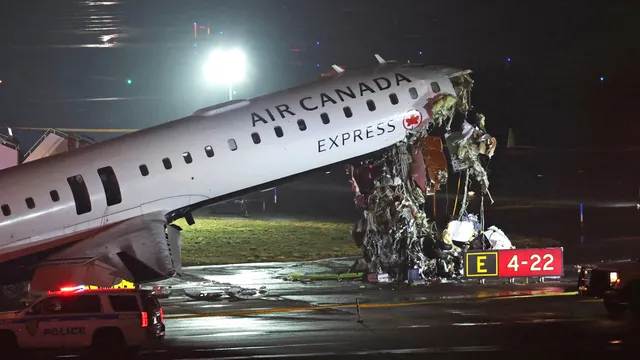
Two pilots die after Air Canada plane collides with fire truck at LaGuardia
Two pilots die after Air Canada plane collides with fire truck at LaGuardia
- At 11:40 PM on March 22, 2026, an Air Canada flight collided with a Port Authority fire truck at LaGuardia Airport.
- The collision resulted in the deaths of the pilot and co-pilot, as well as injuries to more than a dozen passengers.
- An investigation by the NTSB is underway to determine the cause of the accident and ensure safety measures are evaluated.
Story
On March 22, 2026, a tragic accident occurred in New York at LaGuardia Airport, where an Air Canada passenger plane, operated by Jazz Aviation, collided with a Port Authority fire truck on the runway. The crash happened shortly after the aircraft had landed from Montreal. At approximately 11:40 PM local time, the firefighting vehicle was responding to a separate incident involving another plane that had reported an issue when it was struck by the landing plane. This resulted in the deaths of both the pilot and co-pilot, while others on board the aircraft experienced varying degrees of injury. A total of 72 people, including passengers and crew, were present on Flight 8646 at the time of the incident. Following the collision, 41 individuals were taken to the hospital, with reports indicating that 32 have since been released. Some passengers sustained serious injuries, while the two officers in the fire truck are reported to be in stable condition. The collision caused significant chaos at the airport, leading to its closure and the grounding of all flights until at least 2 PM the following day as emergency services responded to the scene. Investigations into the incident are being conducted by the National Transportation Safety Board (NTSB) and the FAA to determine the cause and the circumstances surrounding the crash. Early assessments suggest that operational issues could have contributed to the failure of communication that may have led to the collision. Eyewitness accounts and recordings from air traffic control have been reviewed to understand the sequence of events better, particularly focusing on the speed of the aircraft at the time of impact and the actions being taken on the ground. The accident has raised concerns about safety protocols at busy airports, particularly regarding coordination between aircraft and ground vehicles. Public officials and representatives from both Air Canada and the Port Authority have expressed their condolences to the families of the deceased pilots, as the investigation continues to seek clarity on this unfortunate and preventable tragedy. The accident highlights the need for an ongoing review of operational safety standards in the aviation industry.
Context
Safety protocols for aircraft and emergency vehicles at airports are critical to ensure the safety of passengers, crew, and ground personnel. These protocols encompass a variety of measures designed to prevent accidents, manage emergencies, and respond effectively to incidents. The implementation of these protocols involves collaboration between various stakeholders, including airport authorities, airlines, emergency services, and regulatory bodies. It is essential that all personnel are trained in these procedures and that regular drills and assessments are conducted to maintain preparedness. One key aspect of safety protocols is the strict adherence to established regulations and guidelines. Organizations such as the Federal Aviation Administration (FAA) and the International Civil Aviation Organization (ICAO) provide comprehensive frameworks that airports and airlines must follow. These regulations cover a range of topics, including runway safety, aircraft maintenance, baggage handling, and terminal operations. Regular inspections and audits help ensure compliance, and any discrepancies are addressed promptly to mitigate potential risks. In addition to regulatory compliance, effective communication is vital in ensuring safety at airports. This includes clear protocols for communication among air traffic control, ground services, and emergency responders. During regular operations and emergencies, situational awareness and timely information sharing can substantially reduce the likelihood of accidents. Protocols should be in place to manage incidents such as aircraft malfunctions, passenger disturbances, and potential terrorist threats, including well-defined roles and responsibilities for all involved parties. Emergency response preparedness is another crucial component of airport safety protocols. Airports must have detailed emergency plans that outline the procedures for various scenarios, including aircraft accidents, hazardous material spills, and natural disasters. These plans should include coordination with local emergency services and training for airport staff on emergency response and evacuation procedures. Regular drills help reinforce these protocols, ensuring that personnel are familiar with their roles and can act swiftly and efficiently during an actual emergency.


